
Humanity at the Center - Monumental Loneliness
Grit Brune
Humanity at the Center - Monumental Loneliness
Grit Brune
Monumental Loneliness
Grit Brune
23 June, 2026
I am a fine art street photographer whose work is shaped by a background in language, conceptual thinking, and years of living in Asia. My approach combines structure with openness and intuition. Influenced by a careful, almost literary sense of composition, I create images that are minimalist, precise, and concept-driven, yet grounded in real, unstaged moments. Working with a Leica M has reinforced a slower, more deliberate process, strengthening clarity and intention in my work.
At the core of my photography lies the relationship between people and urban space. I use architecture as a structured canvas, while human figures, subtle, often small, yet essential, anchor the image. Rather than acting as central protagonists, they define scale, tension, and presence, revealing a dialogue between the individual and their environment. Geometry, light, and shadow guide the viewer’s eye and shape this interaction. Through a restrained, often monochrome aesthetic, I explore quiet narratives of human existence within the built environment.

"Rather than documenting loneliness directly, I am interested in making its presence visible. My photographs do not tell fixed stories or offer clear explanations. Instead, they create spaces for reflection, inviting viewers to bring their own memories, emotions, and experiences into the images."
With Monumental Loneliness, I explore one of the defining experiences of contemporary life: loneliness. The series reflects on how we live, move through our cities, and relate to one another in a world that appears more connected than ever, yet often feels increasingly fragmented.
Loneliness affects people across generations and social backgrounds. While digital technologies and global networks have transformed the way we communicate, they have not necessarily brought us closer together. On the contrary, many experience a growing sense of emotional distance. This paradox lies at the heart of my work.
Central to the series is the relationship between people and architecture. Monumental buildings, expansive urban structures, and vast public spaces dominate the visual landscape. Their scale often dwarfs the individual, transforming a single figure into something fragile, isolated, or seemingly lost. In these moments, architecture becomes more than a backdrop. It becomes a metaphor for social and emotional conditions.
I am fascinated by how built environments shape perception. Cities are places of encounter, movement, and exchange, yet they can also foster anonymity. Millions of people share the same spaces while remaining strangers to one another. This coexistence of physical proximity and emotional distance is a recurring theme throughout the series.
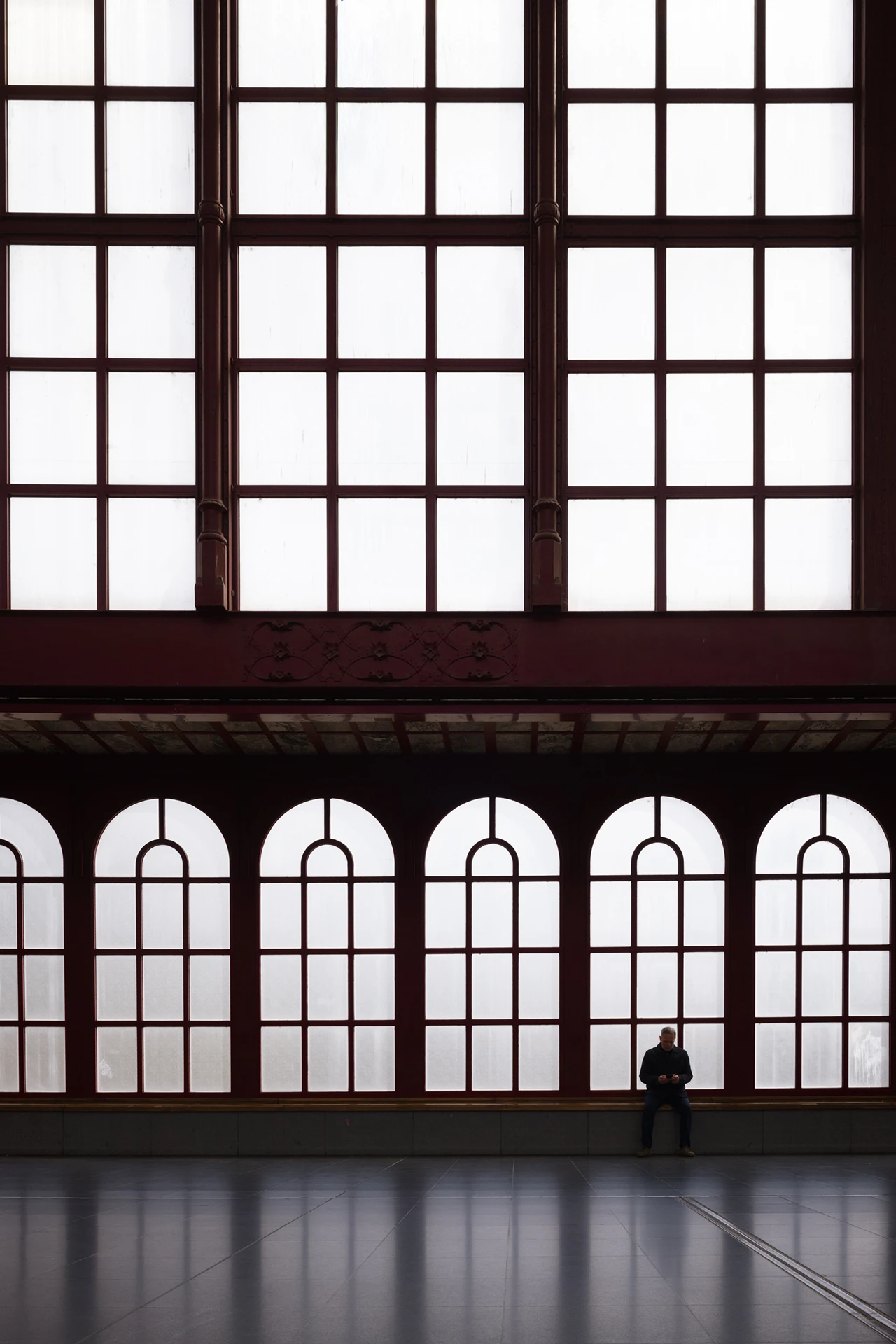
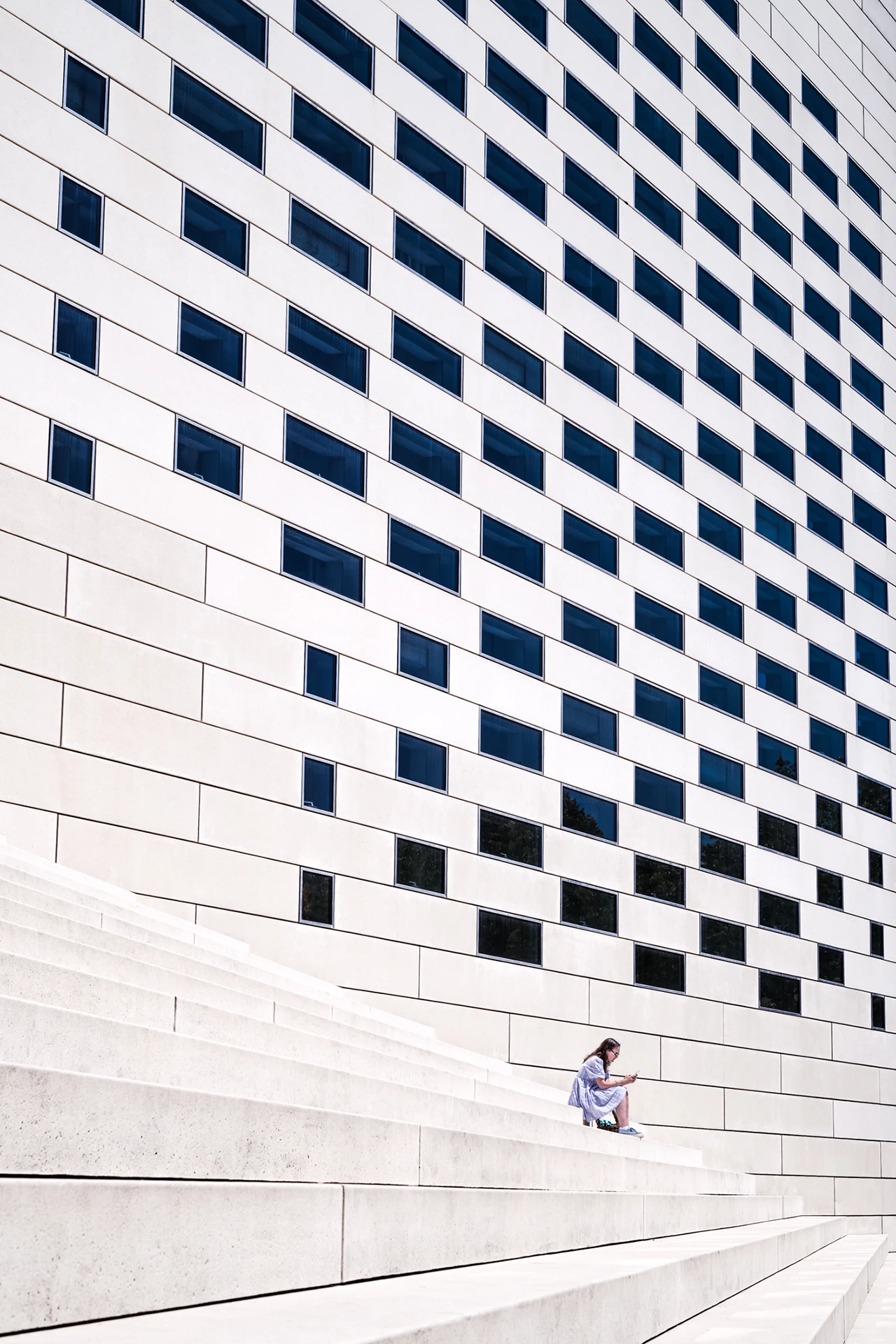
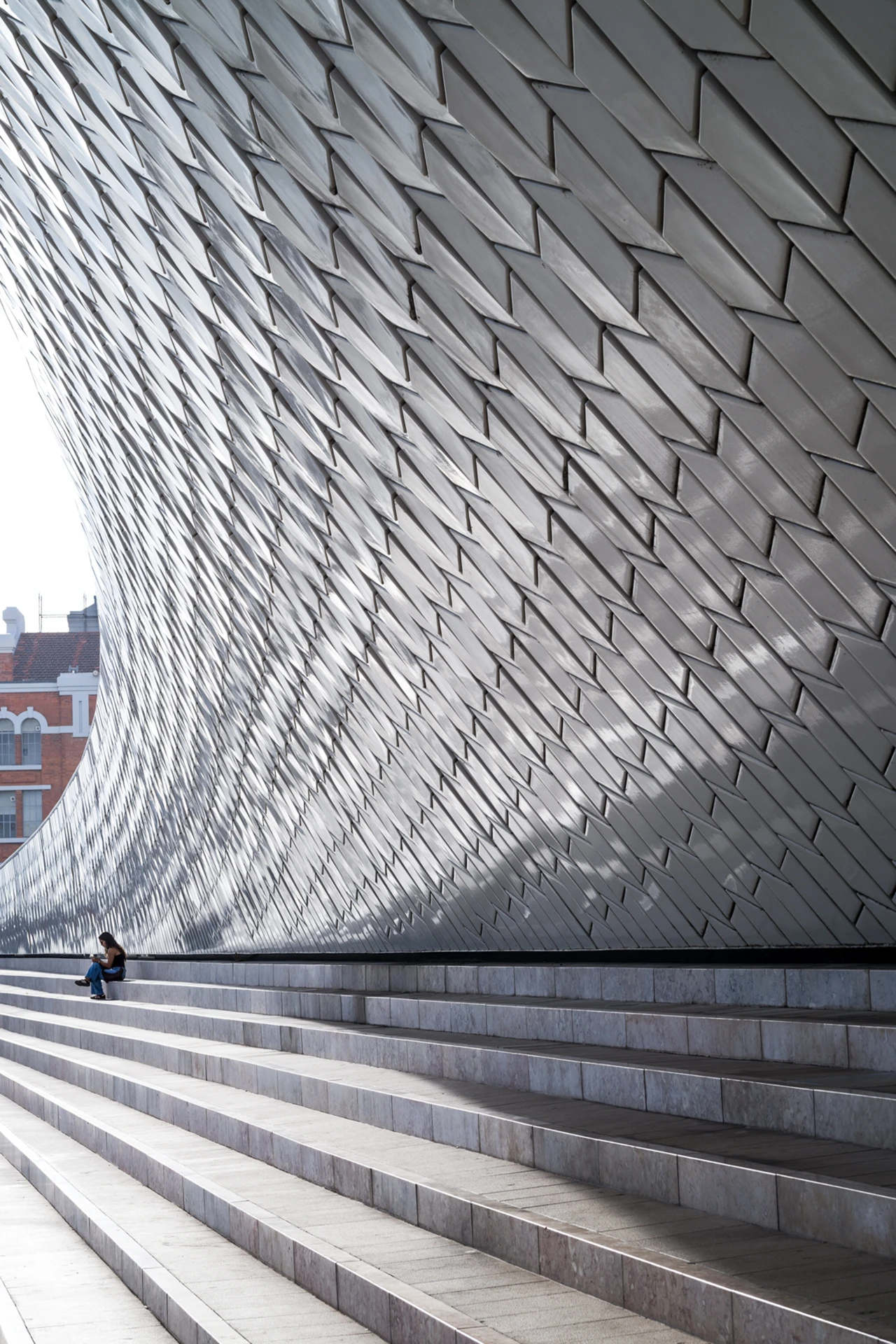
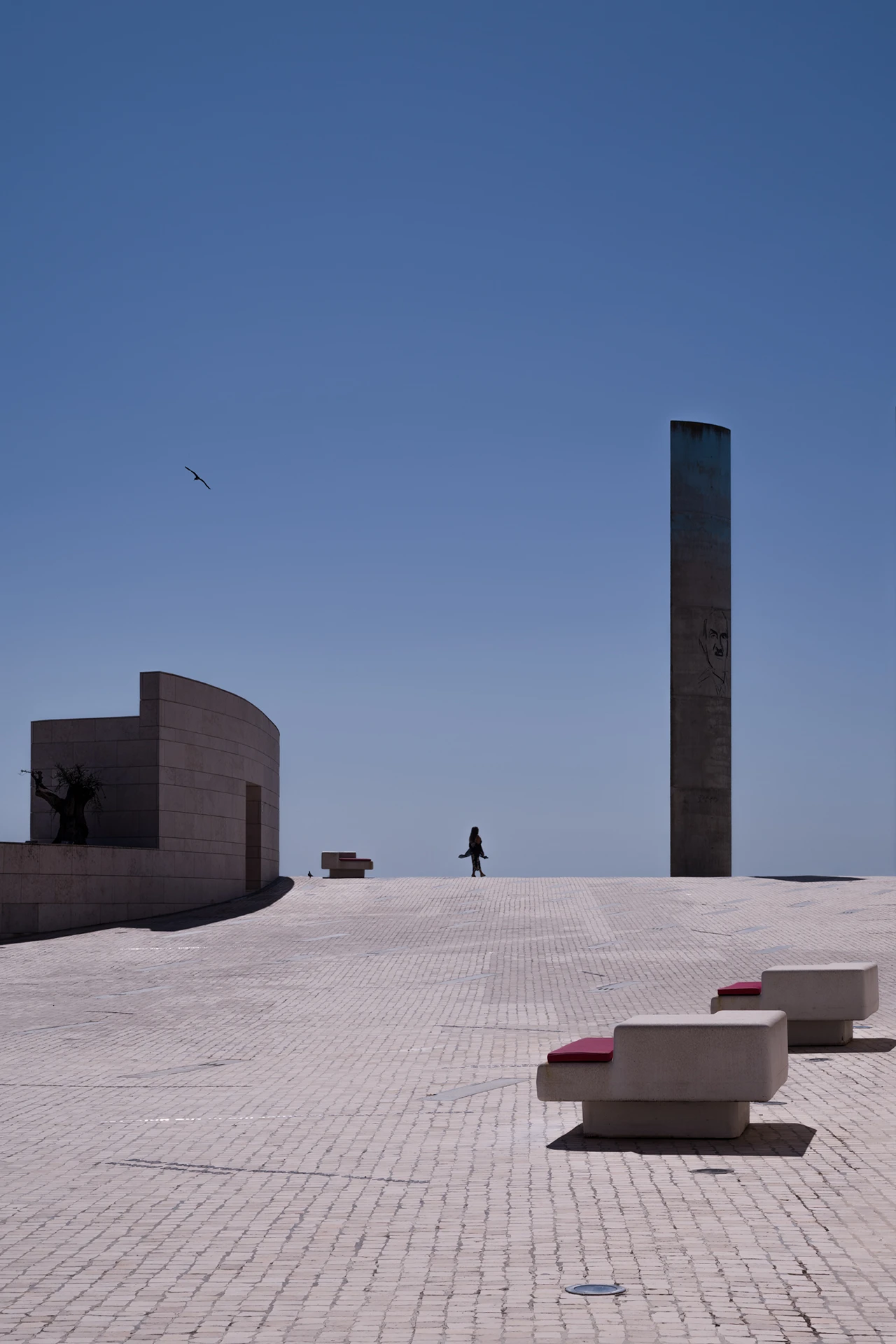
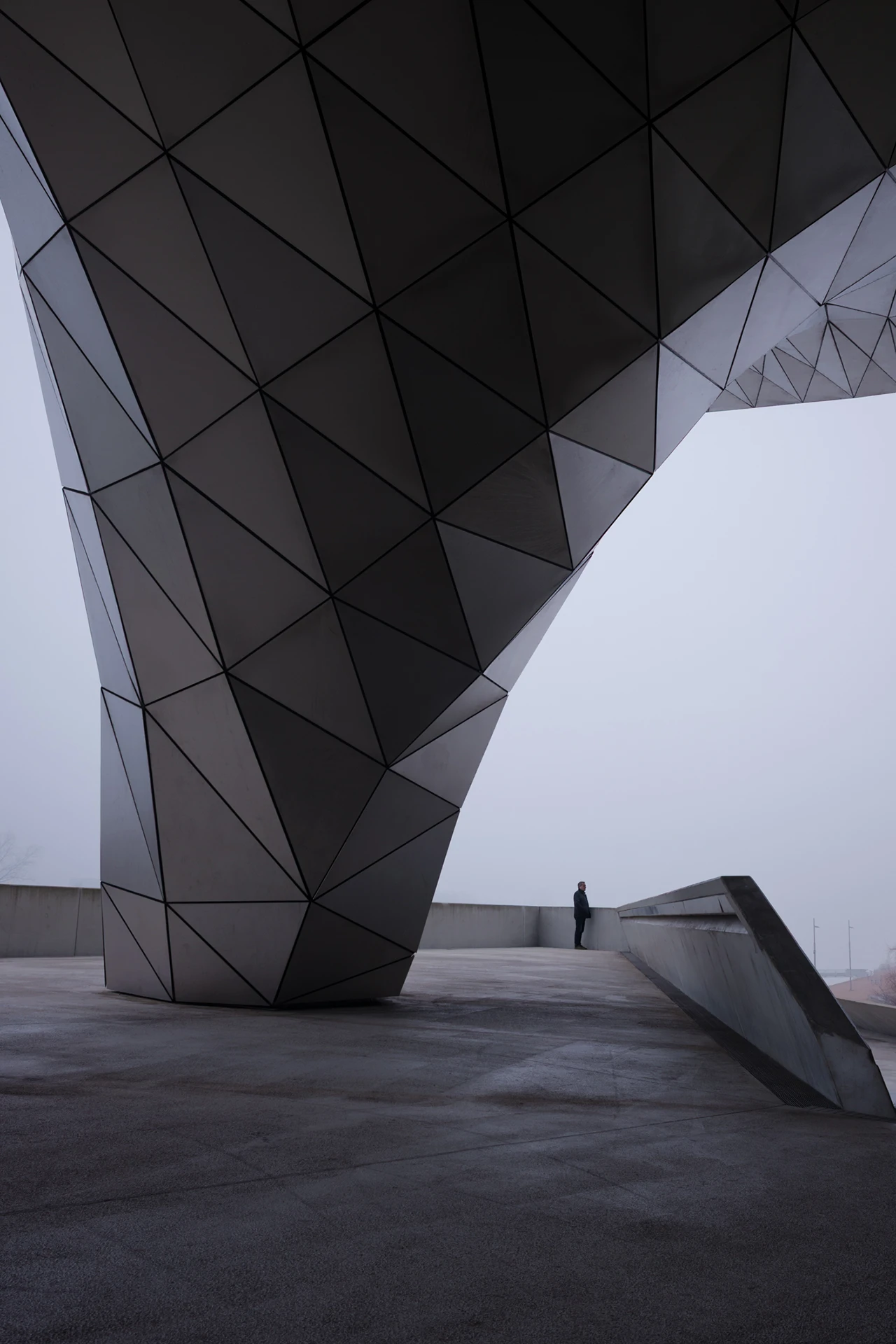
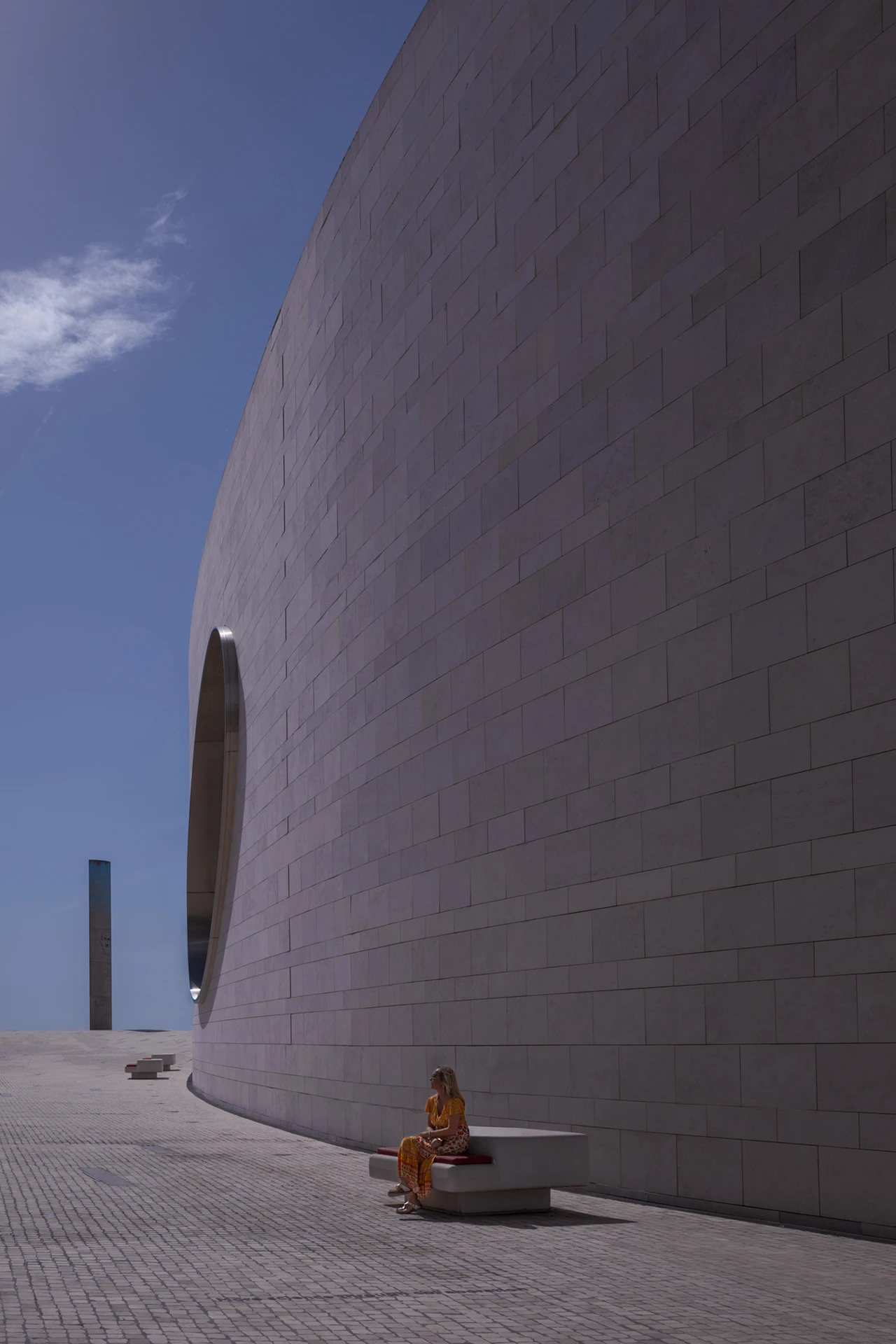
The visual language of Monumental Loneliness is defined by reduction. Clear compositions, precise geometry, and carefully controlled light focus attention on the essential relationship between human presence and surrounding space. My aim remains the same: to reveal the emotional atmosphere of a moment and the subtle tension between individuals and their environments. Minimalism is therefore not merely an aesthetic choice but a conceptual strategy. By removing distractions, the images create room for contemplation. Empty spaces and restrained visual information encourage viewers to slow down and engage more deeply with what is present—and what may be absent.
Situated between architectural, street, and conceptual photography, the series can also be understood as a form of visual social observation. It examines how contemporary social realities manifest themselves within the spaces we inhabit and how these spaces, in turn, influence our sense of belonging, identity, and connection.
Importantly, the work does not romanticise loneliness. It approaches it as a lived condition of modern society—one that is often hidden despite being widely shared. Through the dialogue between monumental architecture and the individual, Monumental Loneliness seeks to make this experience visible without judging or explaining it.
Ultimately, the series is an invitation to reflect on our relationship with the environments we create and inhabit. The images offer no conclusions. Instead, they open a space in which viewers may consider their own position within an increasingly complex world and recognise architecture not only as a physical structure, but also as a mirror of our collective human experience.
Explore More...

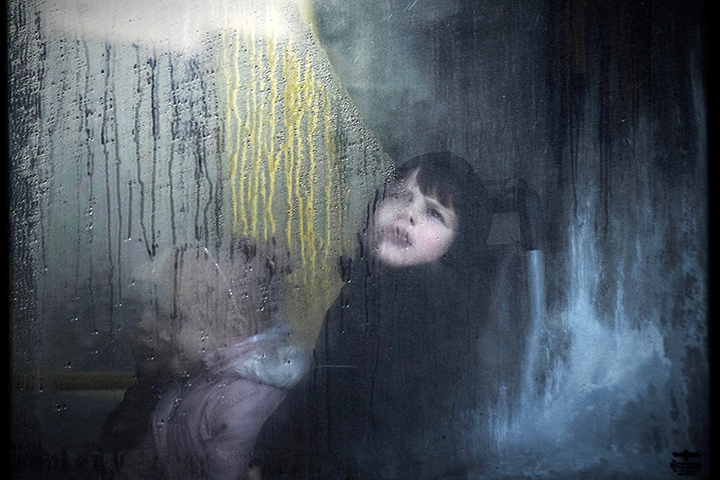
Looking through Windows
Nadia Eeckhout
“Observations framed by distance and perspective…” Read more →
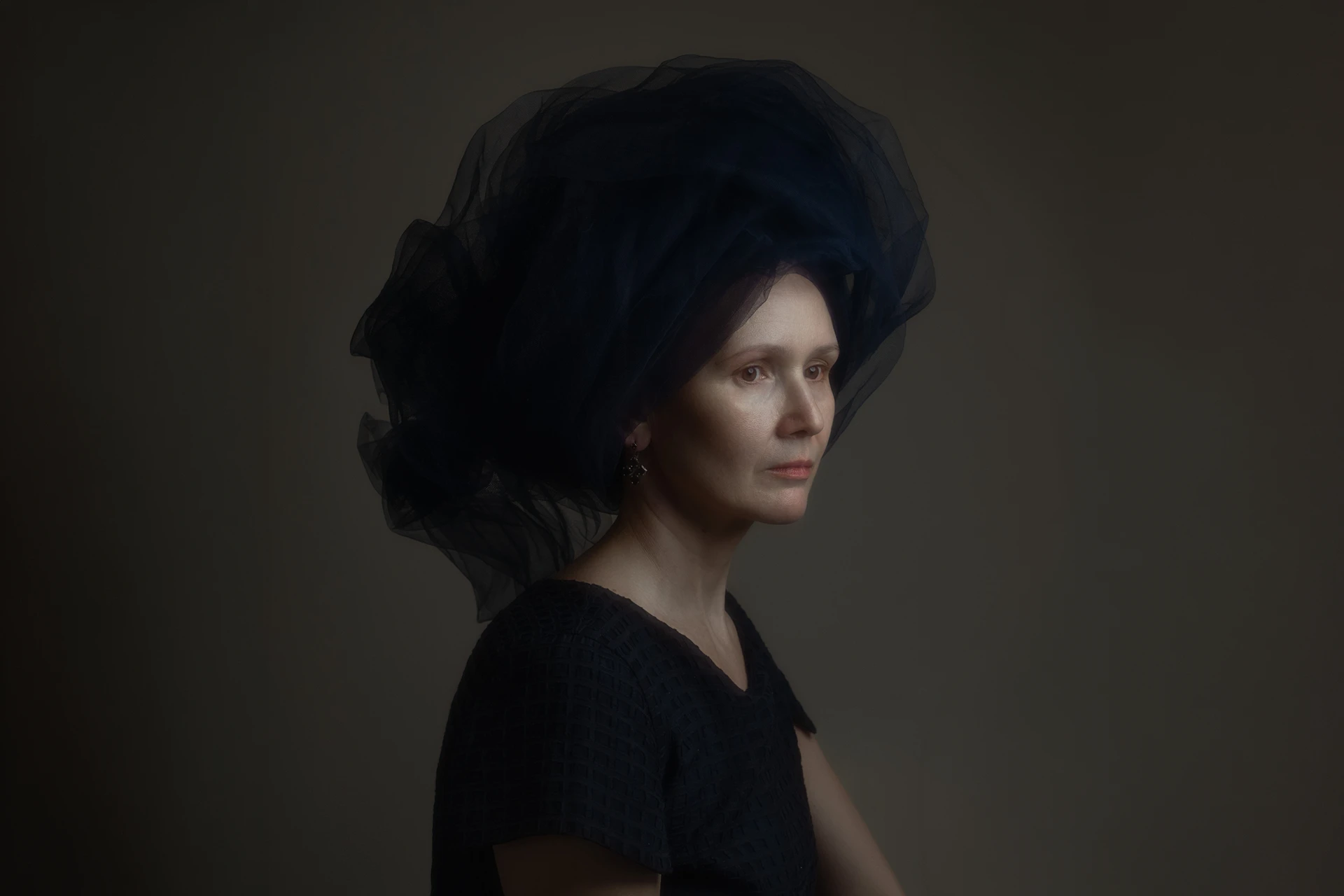

A photography journal. Published monthly.
E-mail: info@curated.photo
All Rights Reserved. CuratedPhoto @2026