
Between Structures and Silence
Ramin Barzegar
21 May, 2026
Ramin Barzegar is an Iranian-American visual artist and award-winning photographer whose work spans architectural photography, conceptual fine art, and human storytelling. With over four decades of experience, his photography explores the emotional relationship between people, structure, memory, and imagination. Originally trained in industrial design, he developed a visual language shaped by geometry, light, and symbolism. His work has received more than 90 international photography awards and has been recognized for both technical precision and conceptual depth. Moving between documentary observation and constructed visual narratives, Barzegar creates images that invite viewers not only to see the world differently, but to feel and interpret it.
For Ramin Barzegar, photography has never been simply about recording reality.
It is about discovering meaning within what is seen.
Over more than four decades, his work has evolved into an ongoing exploration of how architecture, human presence, and imagination intersect. Whether photographing monumental structures, intimate human moments, or conceptual compositions, Barzegar approaches photography not as documentation alone, but as interpretation.
Originally trained in industrial design, his relationship with visual form began through structure, proportion, geometry, and spatial thinking. This early foundation naturally shaped his photographic vision. Architecture became more than a subject, it became a language.
But for Barzegar, architecture is never only about buildings.
A structure can represent ambition, permanence, isolation, silence, or memory. A façade can become emotional. Geometry can become poetry.
This way of seeing extends beyond architecture itself.
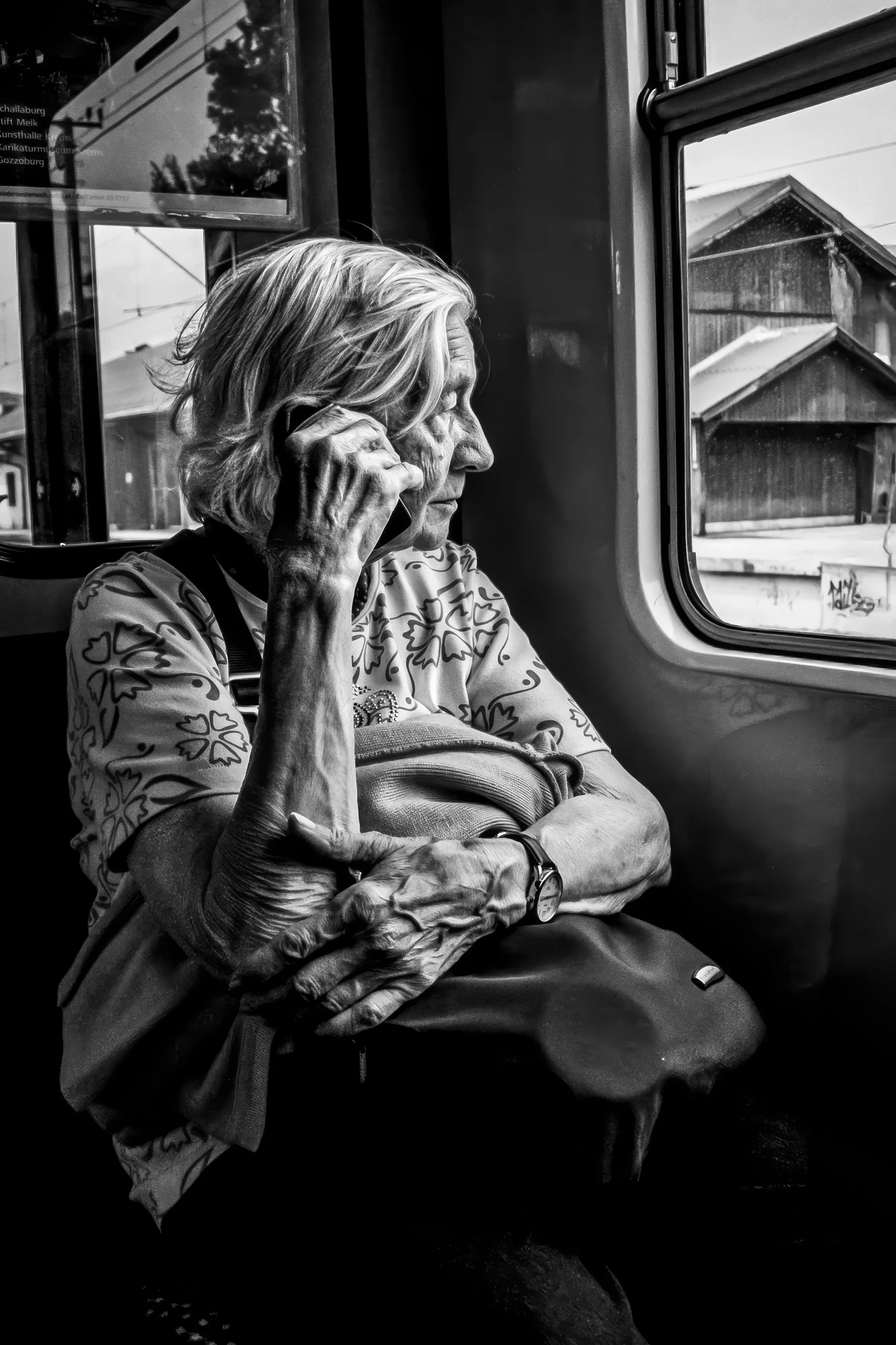
In one image, an elderly woman sits quietly on public transport, looking through a window, suspended somewhere between movement and stillness. The photograph is not simply a portrait, it becomes a reflection on solitude, memory, and the invisible emotional journeys people carry.
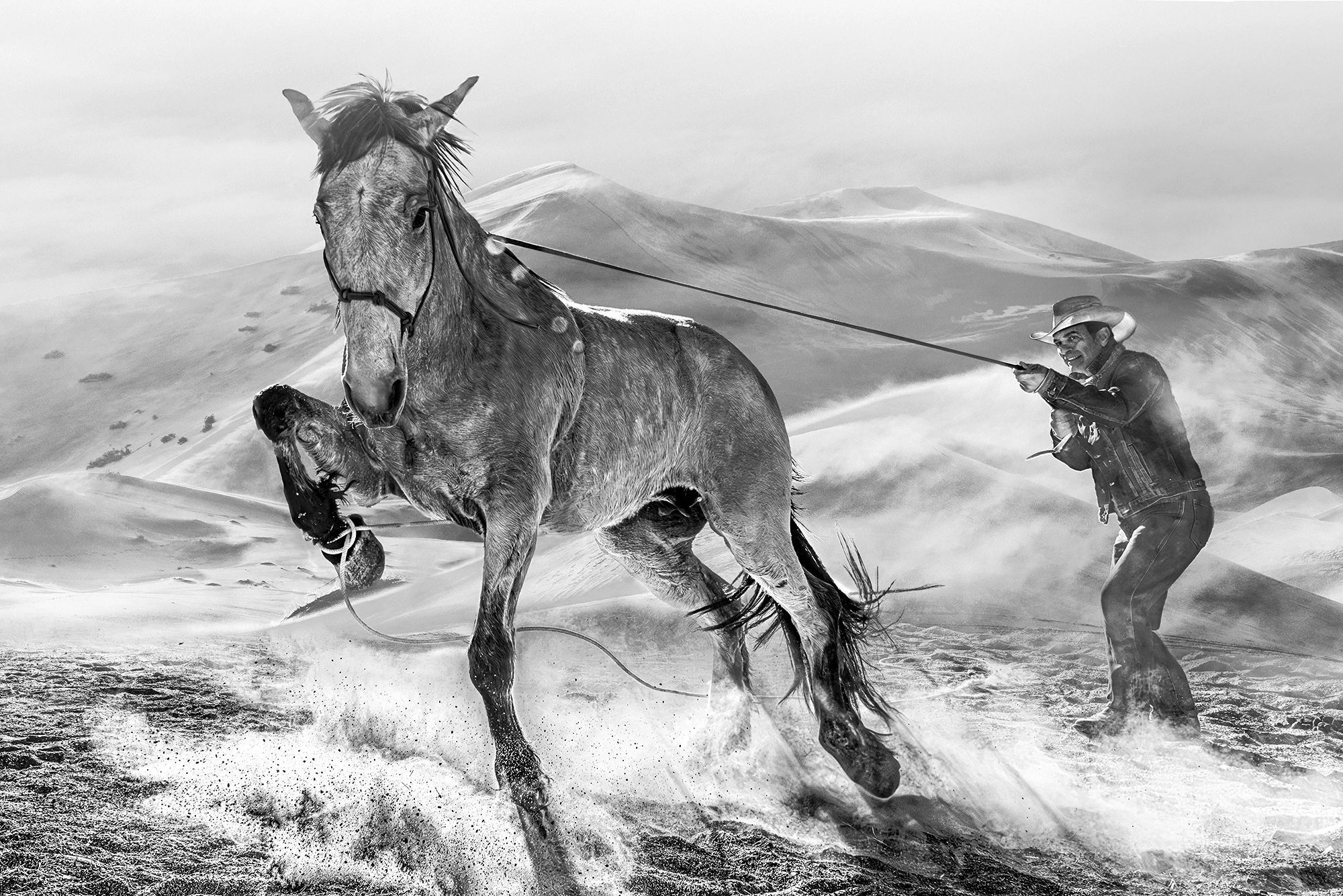
In another, a man struggles against the force of a powerful horse in a harsh landscape. The image speaks of tension, resilience, resistance, and the fragile negotiation between freedom and control.
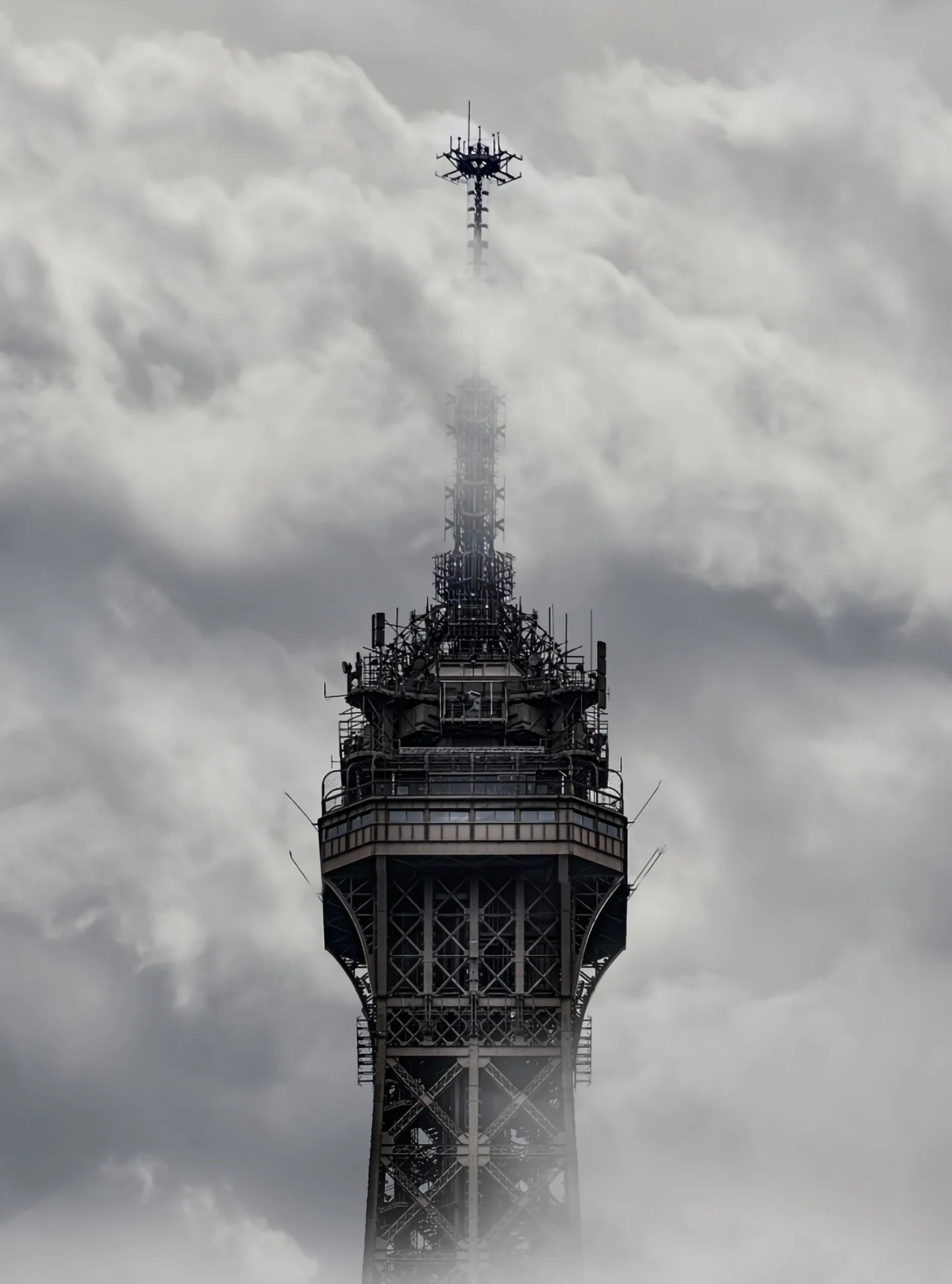
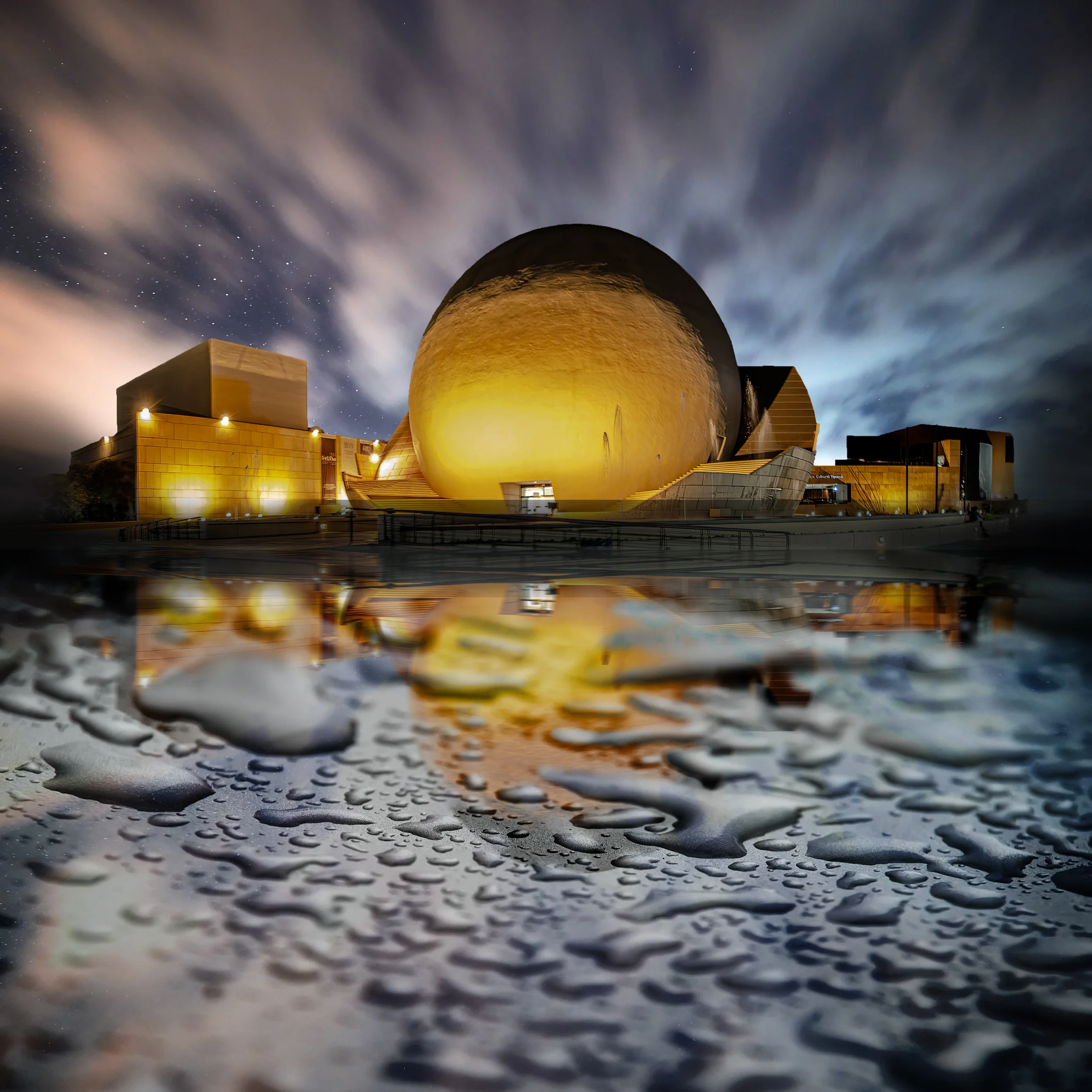
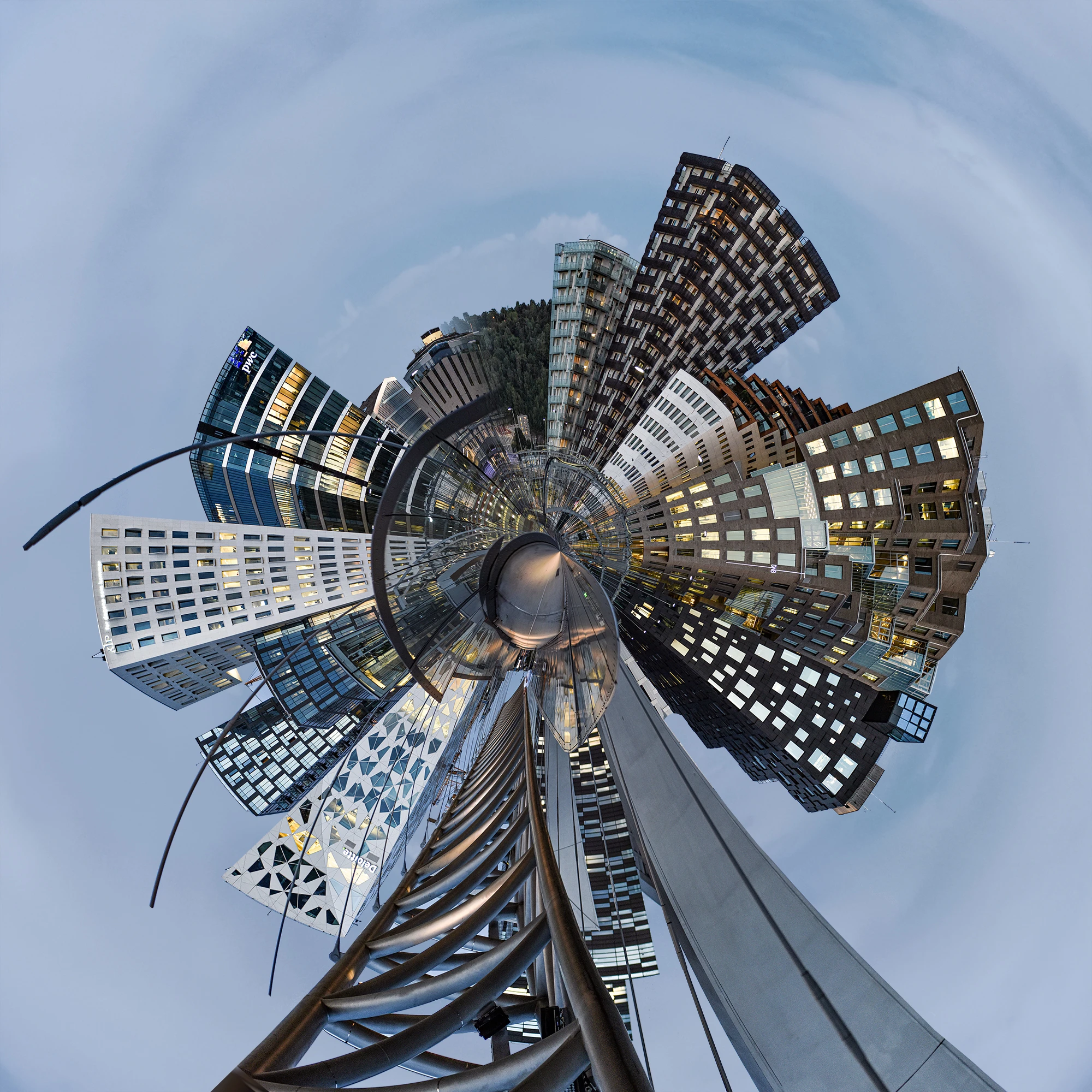
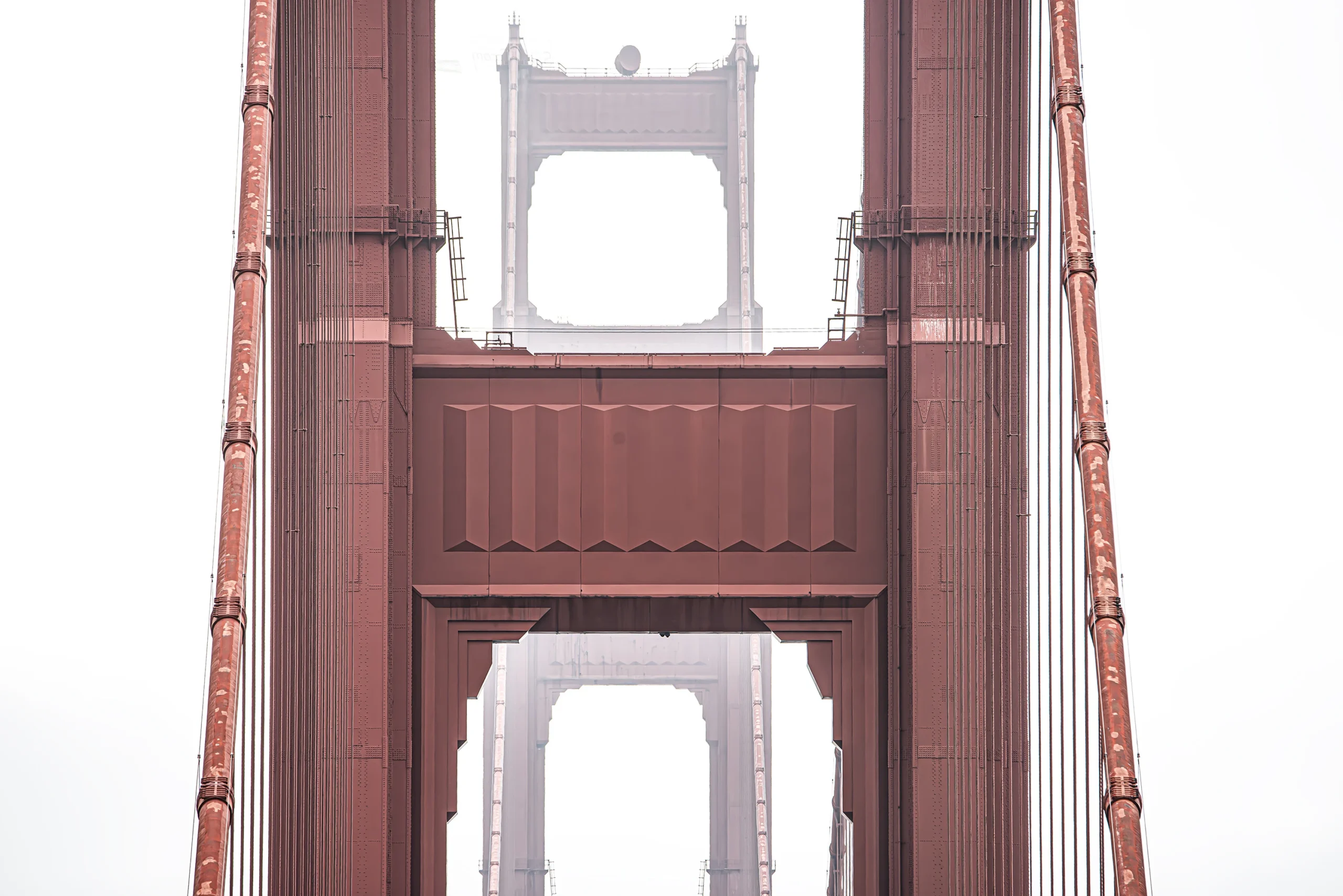
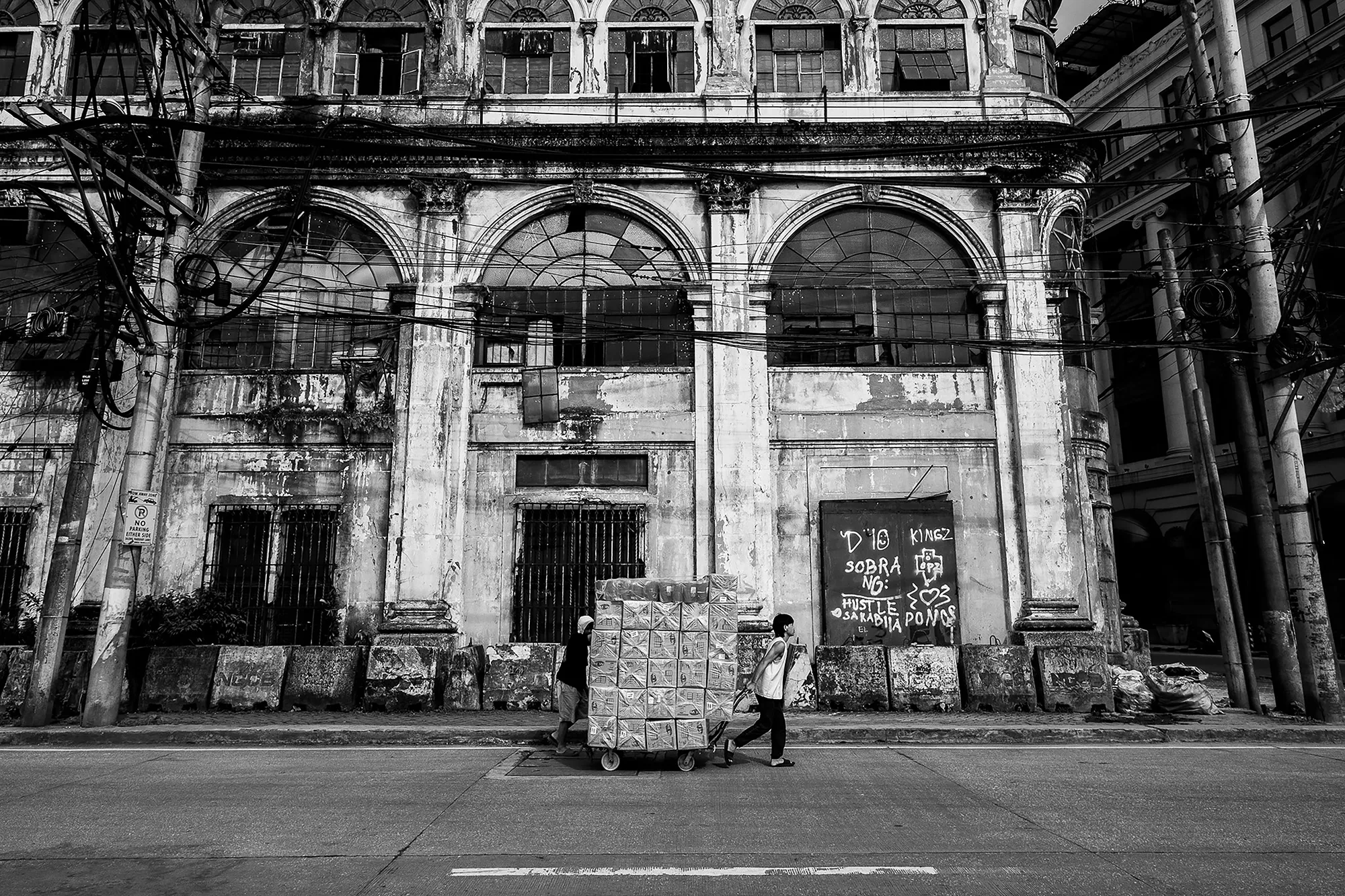
Even when photographing architecture directly, Barzegar seeks emotional resonance rather than technical description alone. A tower disappearing into dense fog becomes a symbol of uncertainty and aspiration. A contemporary building becomes a study in rhythm and silence. Reflections and distortions transform static structures into shifting visual experiences.
His conceptual work pushes this approach even further.
Cities emerge from roots like living organisms. Urban systems merge with natural forms. Familiar landscapes become metaphors for modern existence.
These images are not designed merely as visual experiments. They are philosophical questions.
What happens when human creation becomes indistinguishable from nature?
Where does progress begin, and where does disconnection begin?
Can architecture carry memory?
Can cities feel alive?
For Barzegar, conceptual photography is not about creating fantasy for its own sake. It is about using visual transformation to reveal emotional or intellectual truths that ordinary observation may not immediately show.
Across all genres, one principle remains constant: photography must communicate something beyond appearance.
Some photographers seek decisive moments.
Others seek technical perfection.
Barzegar seeks meaning.
His images are built on patience, observation, design sensitivity, and emotional intuition. Sometimes the process is documentary and immediate. Sometimes it involves construction, imagination, and careful visual composition. But regardless of method, the goal remains unchanged: to create images that stay with the viewer beyond the first glance.
Working across continents, cultures, and visual disciplines, he has developed a body of work that resists simple categorization.
He is neither exclusively an architectural photographer nor solely a conceptual artist.
He moves between worlds.
Between observation and invention.
Between external structure and internal emotion.
Photography, for Barzegar, is ultimately an act of translation.
Translating silence into image.
Translating architecture into emotion.
Translating human experience into visual form.
In a world saturated with endless imagery, he remains interested in photographs that ask viewers to pause.
To think.
To feel.
And perhaps to see familiar things differently
Related Articles
Related
Where the Earth never Sleeps
by Happy Mukherjee
The Narrative of Chiaroscuro
by Javier Nuñez Díez
The Weight of Light
by Emil Z Mijares

A photography journal. Published monthly.
E-mail: info@curated.photo
All Rights Reserved. CuratedPhoto @2026