
Gimme Shelter
Brice Gelot
Gimme Shelter
Brice Gelot
14 August, 2026
Brice Gelot is a french self-taught photographer who has gained a strong reputation for his raw and powerful photography, known for his photojournalism, documenting the street culture and tattoo community. He works exclusively with 35mm black-and-white film, staying true to the raw aesthetic that defines his visual language.
Born and raised in Dijon, he began his photographic journey in 2004 with a Canon A1, completely self-taught and driven by the urge to share stories and explore new perspectives. Starting out as a photographer for his local skateshop, working with pro teams and brands, he built a fully self-made career that evolved and strengthened as he traveled the world.
As a photojournalist, his main objective is to capture the essence of street life through his unique and distinct vision. He strives to showcase the gritty reality of life on the streets, shedding light on people on the margins of society, gang members, homeless and drugs addict. Through his work, he seeks to inspire empathy and understanding for those who often go unnoticed or ignored, and aim to challenge the viewer's preconceptions and highlight the resilience and strength of those who persevere in the face of adversity.
He deeply values freedom of speech, remains actively present in the field, and advocates for taking assertive positions.
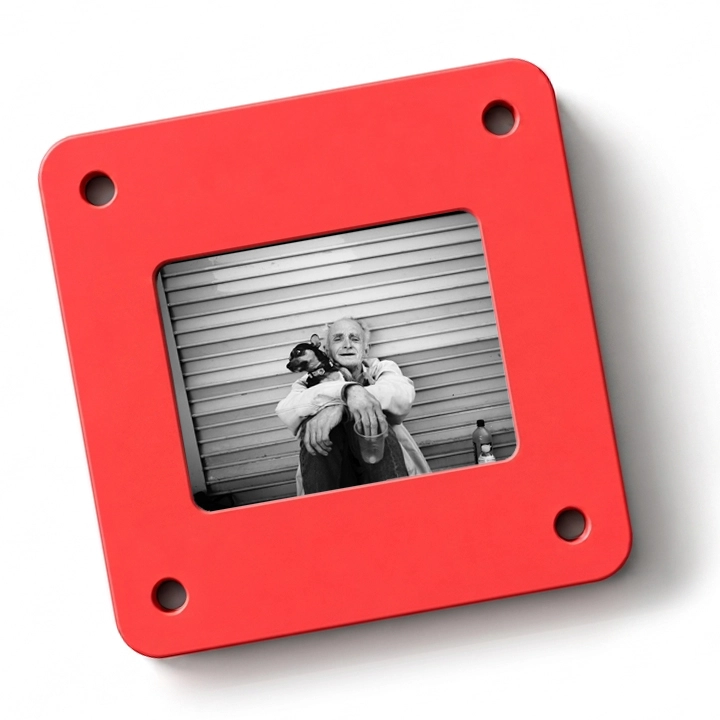
"As photographers, we have a responsibility to avoid turning people into stereotypes. The camera creates power, and that power has to be used with humility. I don't want viewers to feel like tourists looking at someone else's life. I want them to feel invited into a shared human experience."
About Gimme Shelter
1. The title Gimme Shelter immediately evokes both a physical need and an emotional longing. What inspired you to begin this project, and at what point did you realize it had become more than a series of photographs?
Gimme Shelter wasn't conceived as a project from the beginning. Like many of my long-term works, it emerged naturally through years of walking the streets of different cities and meeting people whose lives had become almost invisible to everyone else. I wasn't searching specifically for homelessness as a subject; I was searching for humanity. Again and again, I found myself returning to these encounters because they revealed something essential about vulnerability, resilience, and the fragile line that separates one life from another.
The title came later. It reflects the obvious need for physical shelter, but also our universal need to be seen, acknowledged, and treated with dignity. I realized it had become more than a collection of photographs when I understood that, despite being made across different countries and cultures, they were all telling the same story. Geography became secondary. What connected the images was the shared human condition.


2. Your statement emphasizes dignity, compassion, and shared humanity rather than documenting poverty alone. How do you build trust with people living in vulnerable circumstances, and what ethical principles guide the way you photograph them?
Trust always comes before photography. I never see people as subjects or symbols of social issues; I meet them first as human beings. Sometimes that means talking for several minutes or hours, sometimes sharing a coffee, and sometimes simply exchanging a smile. If there isn't mutual respect, I don't make the photograph.
Ethically, every situation requires careful judgment. As a photojournalist, there are moments when you're allowed to make the photograph, yet you still hesitate. Permission alone doesn't resolve the ethical question. I often ask myself whether the image respects the person's dignity and whether it contributes to a deeper understanding rather than simply exposing their vulnerability. My goal has never been to shock viewers with misery, but to remind them of the humanity that endures despite difficult circumstances. Sometimes the answer is to press the shutter; sometimes it's to lower the camera. That decision is part of the responsibility that comes with documenting other people's lives.


3. The photographs were made across cities including Paris, London, Naples, Los Angeles, Ho Chi Minh City, and Mexico City, yet you deliberately avoid identifying individual locations. What does removing geographical context allow the viewer to see that location captions might obscure?
I don't deliberately hide where the photographs were made. The locations are an important part of the project's history, but when I present Gimme Shelter on my website, I choose not to identify each image individually. That decision isn't about removing context; it's about shifting the viewer's attention.
As soon as a photograph is labeled "Paris" or "Los Angeles," people naturally begin thinking about those cities, their politics, or their economies. I want viewers to spend a little longer with the photograph itself—with the person, the expression, and the moment, before attaching it to a specific place.
Homelessness is a global reality, not one confined to a particular city or country. Presenting the series more generally encourages viewers to see the common humanity that connects these images rather than treating them as isolated local stories. I hope it prompts people to ask not only, "Where was this taken?" but also, "Who is this person?" and "Could this happen where I live?" Compassion shouldn't depend on geography.
4. Many of the images balance hardship with moments of humor, resilience, and connection. How do you decide when a photograph moves beyond documenting reality to expressing something universally human?
Reality is rarely one-dimensional. Even in the most difficult circumstances, people laugh, joke, love, rest, dream, and care for one another. If photography only records suffering, it risks reducing people to victims.
When an image allows viewers to recognize themselves in someone whose life appears completely different from their own, it begins to move beyond documentation and becomes something more universal.


5. You donate every cent of profit from this project to homeless and housing support charities. Do you see Gimme Shelter primarily as documentary work, social advocacy, or an attempt to create empathy through visual storytelling—or are these inseparable for you?
For me, they are inseparable.
Photography can bear witness, but witnessing alone isn't always enough. If a project asks people to confront difficult realities, I believe it should also try, in whatever modest way it can, to contribute something tangible. Donating every cent of profit to charity project, shelters, is simply an extension of the values behind the work.
Ultimately, Gimme Shelter isn't trying to speak for homeless people. It's trying to encourage viewers to see them differently. If a photograph can replace indifference with empathy, even for a moment, then it has already achieved something meaningful.


About My Street Photography Practice
6. Across your body of work, you seem drawn to communities and individuals who often exist outside mainstream narratives. What continues to attract you to these overlooked stories, and what responsibility do you believe a street photographer has when representing them?
I've always been drawn to people living at the edges of society because they're often the ones least represented with honesty. Whether it's homeless individuals, underground communities, tattoo culture, skateboarders, or neighborhoods shaped by social inequality, these are places where identity isn't manufactured for an audience.
As photographers, we have a responsibility to avoid turning people into stereotypes. The camera creates power, and that power has to be used with humility. I don't want viewers to feel like tourists looking at someone else's life. I want them to feel invited into a shared human experience.


7. Your photographs often feel immersive, as though the viewer is standing within the scene rather than observing from a distance. How do you approach being physically and emotionally present when working on the street?
I work only with 35mm lens, very close to the people I photograph. Physical proximity naturally creates emotional proximity as well. It demands honesty because you can't hide behind a long lens.
I also spend a lot of time simply walking without expectations. I don't chase photographs. I let encounters happen naturally. Being emotionally present means remaining open to whatever unfolds rather than arriving with a preconceived narrative. Often the strongest images appear in moments I never could have planned.
8. After years of photographing people and public spaces, how has street photography changed the way you understand human nature, and has it altered the way you move through everyday life yourself?
Street photography has reinforced my belief that every person carries a story that remains invisible until you slow down enough to notice it. It has taught me to look beyond appearances and to pay attention to the details, gestures, and moments that reveal someone's individuality.
I have always been interested in people and their stories, but photography has given me a different way of connecting with the world around me. It has made me more aware of the complexity of human experiences and reminded me that every encounter, even the briefest one, can reveal something meaningful.
Today, I move through cities differently. I walk more slowly, observe more carefully, and remain open to the unexpected. Street photography has shown me that extraordinary stories are often found in ordinary moments, if we take the time to truly look.


Share this Story
Explore More...
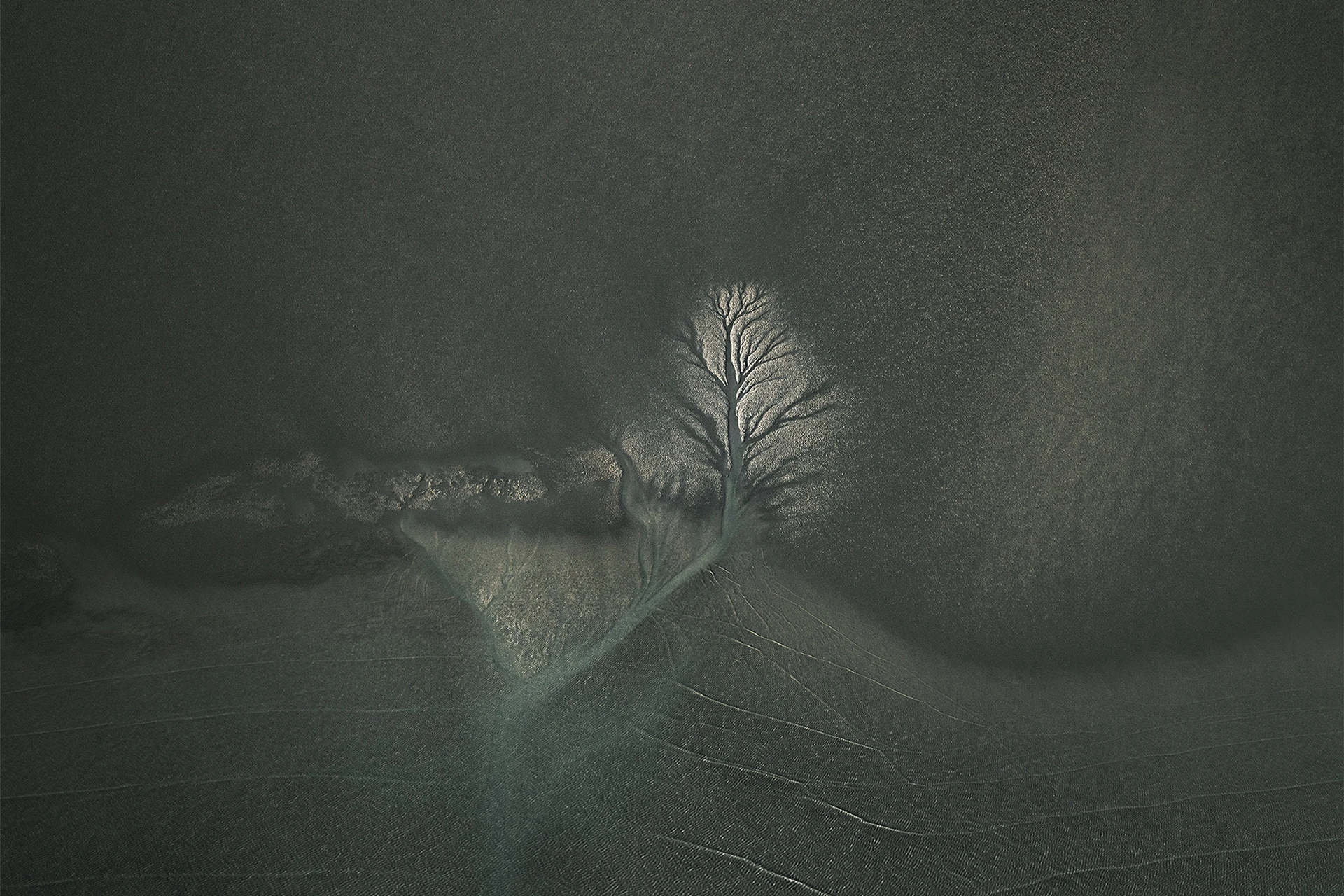
Why I Choose to Lose the Horizon
Brigitte Bourger
“Transforming aerial views of water, ice and land into abstract compositions…” Read more →

The Unsaid
Kjetil Karlsen
“A contemplative exploration of what is seen and what remains unsaid…” Read more →
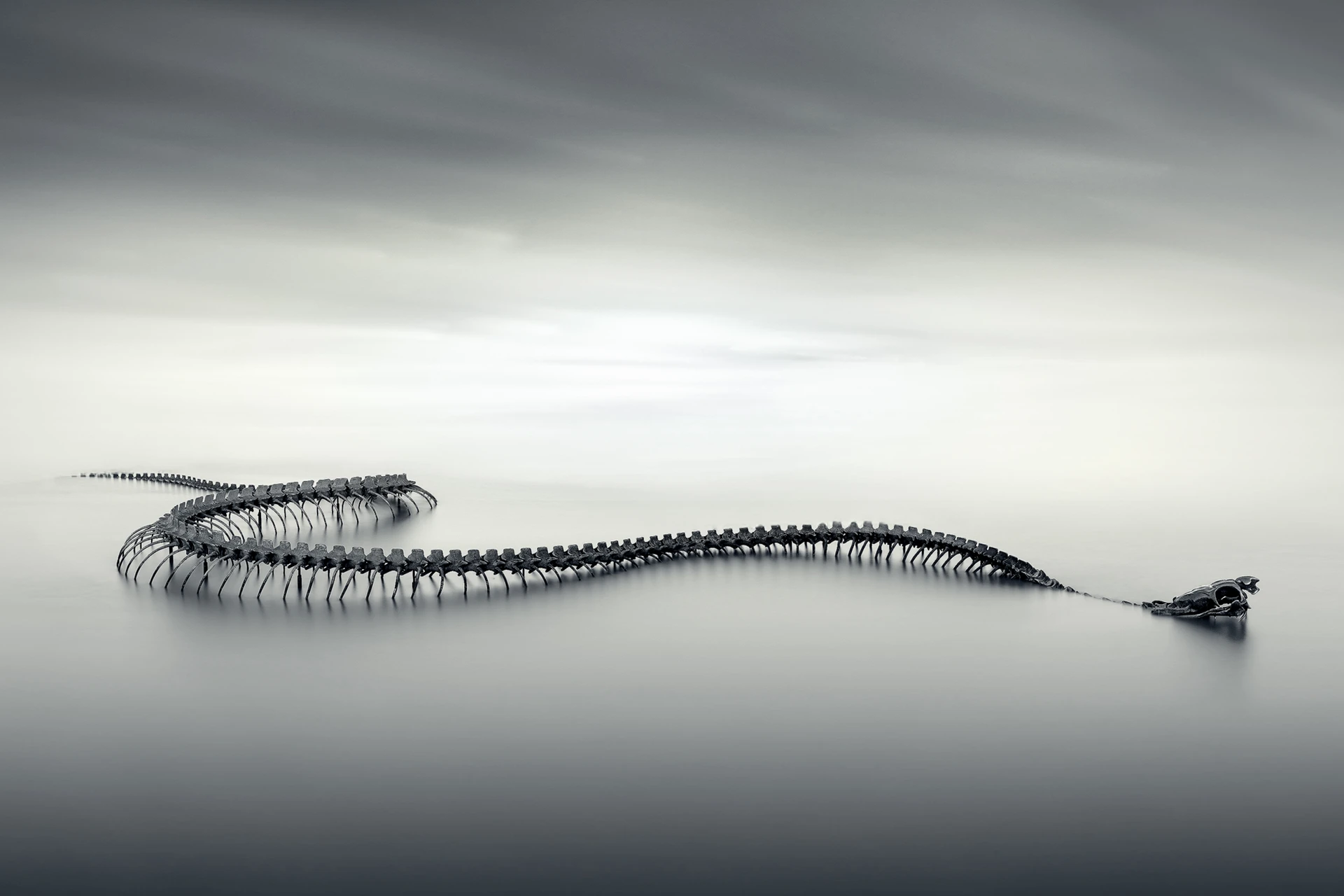
Shaping Time
Jim Graham
“Meditations on time, atmosphere, solitude and the emotional presence of place…” Read more →

A photography journal. Published monthly.
E-mail: info@curated.photo
All Rights Reserved. CuratedPhoto @2026