
When the Sky Opens
SL Shanth Kumar
When the Sky Opens
SL Shanth Kumar
24 July, 2026
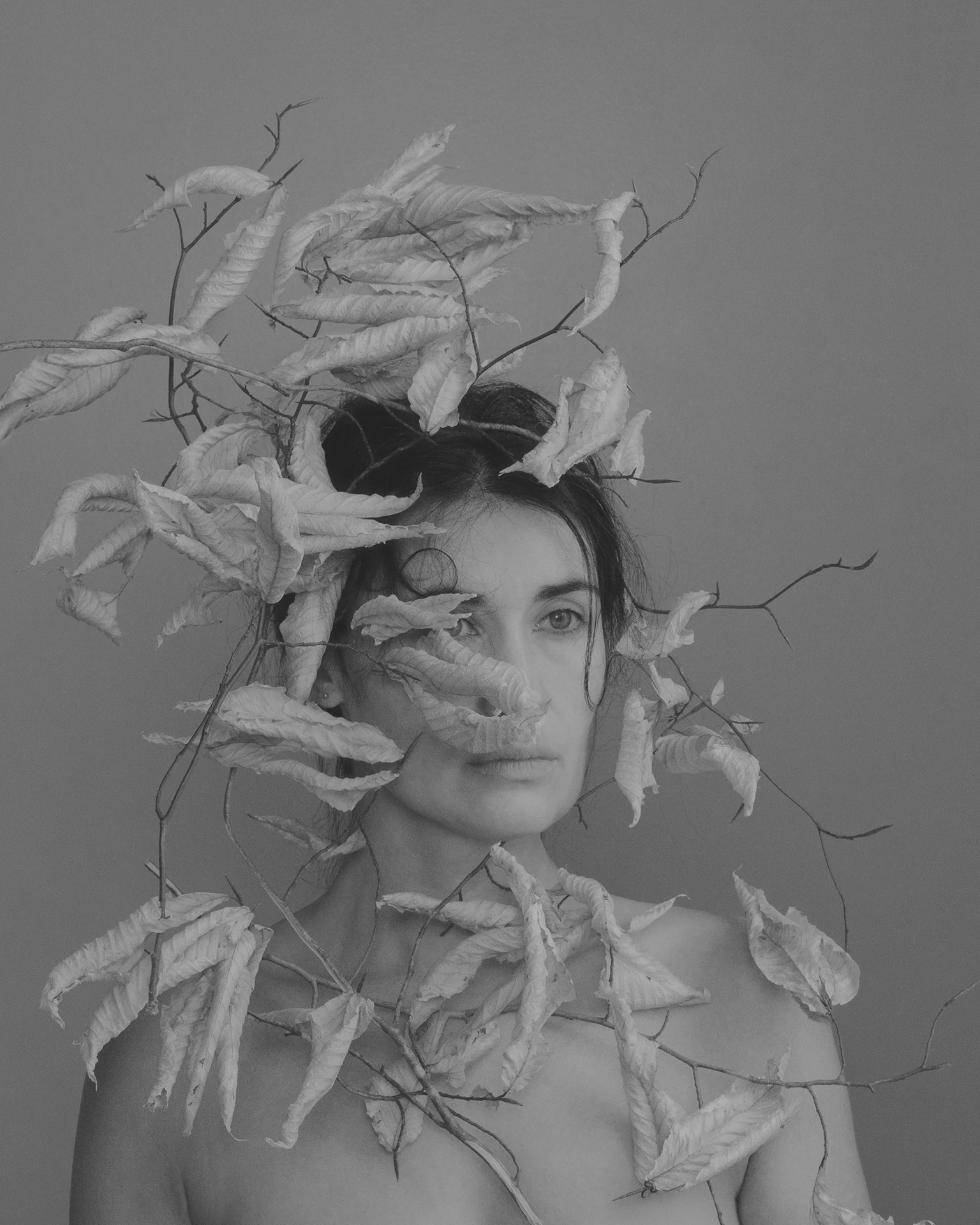
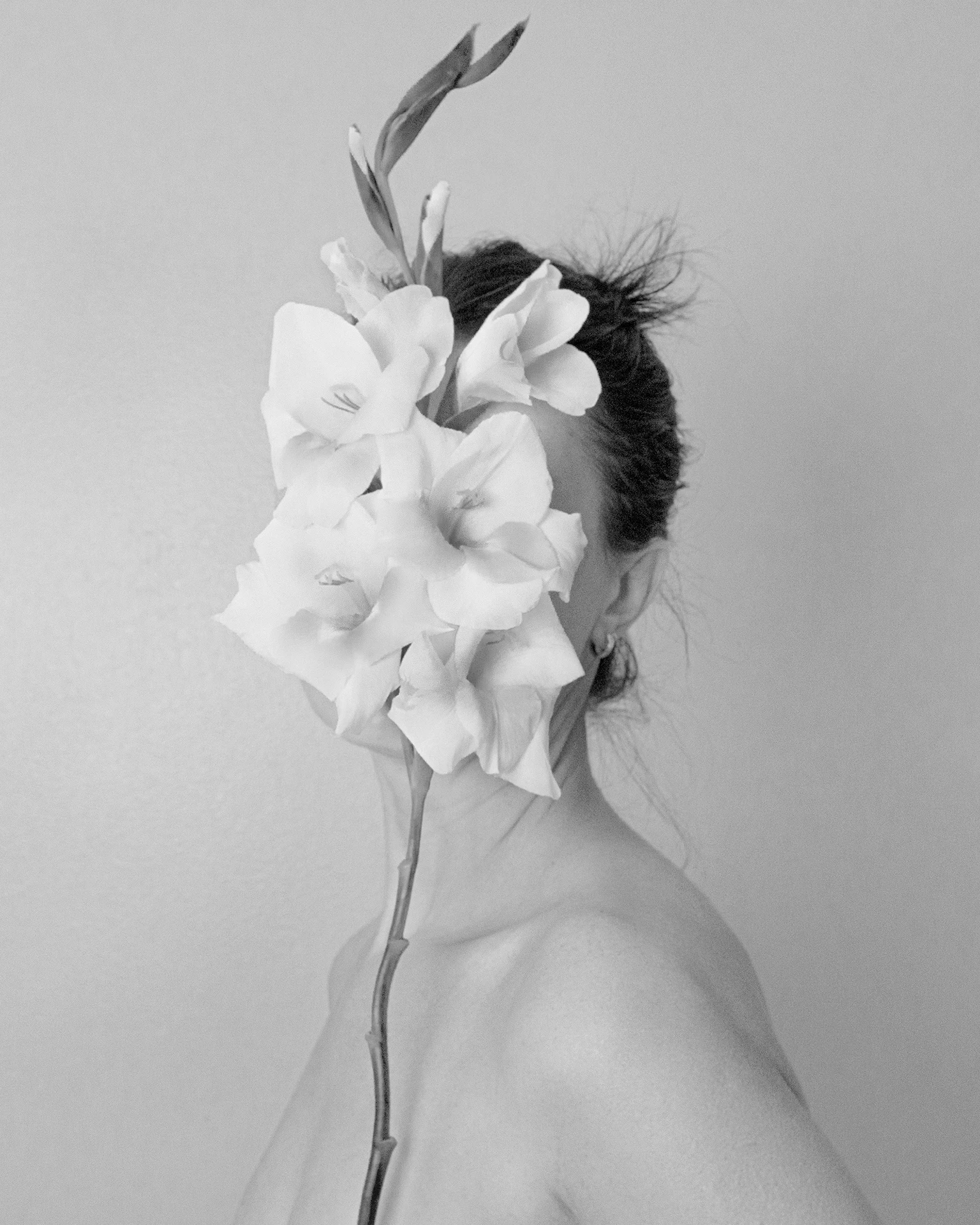
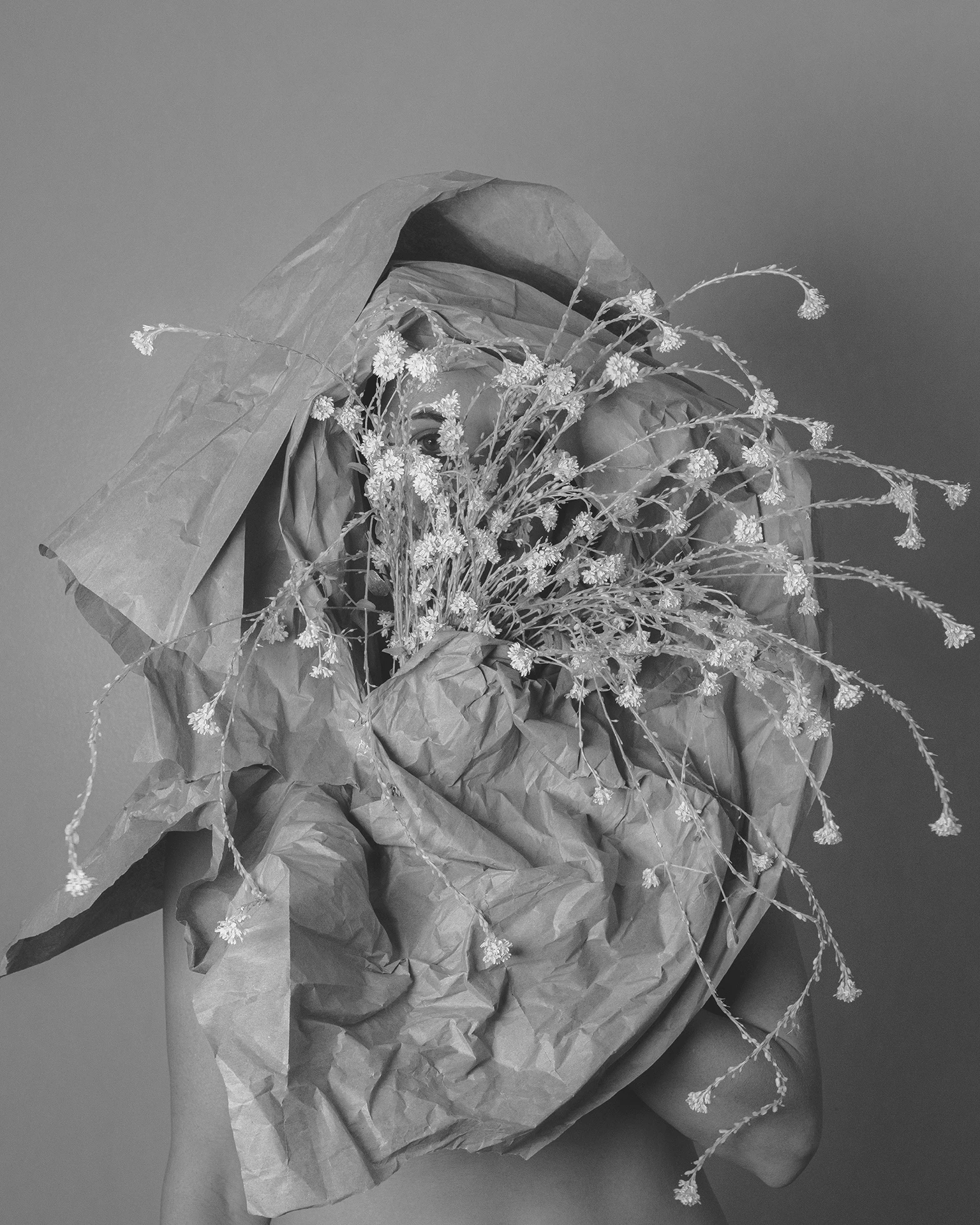
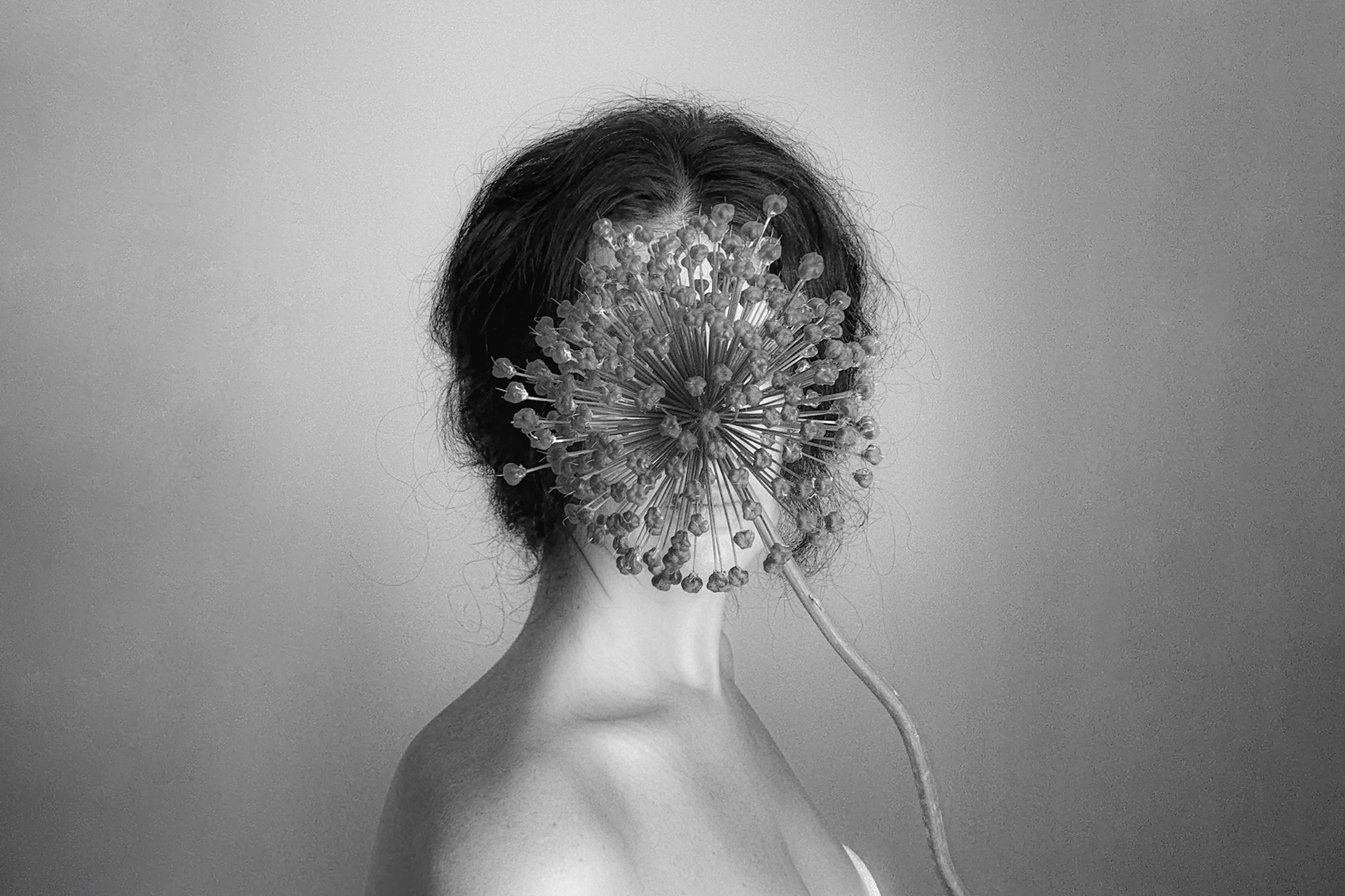
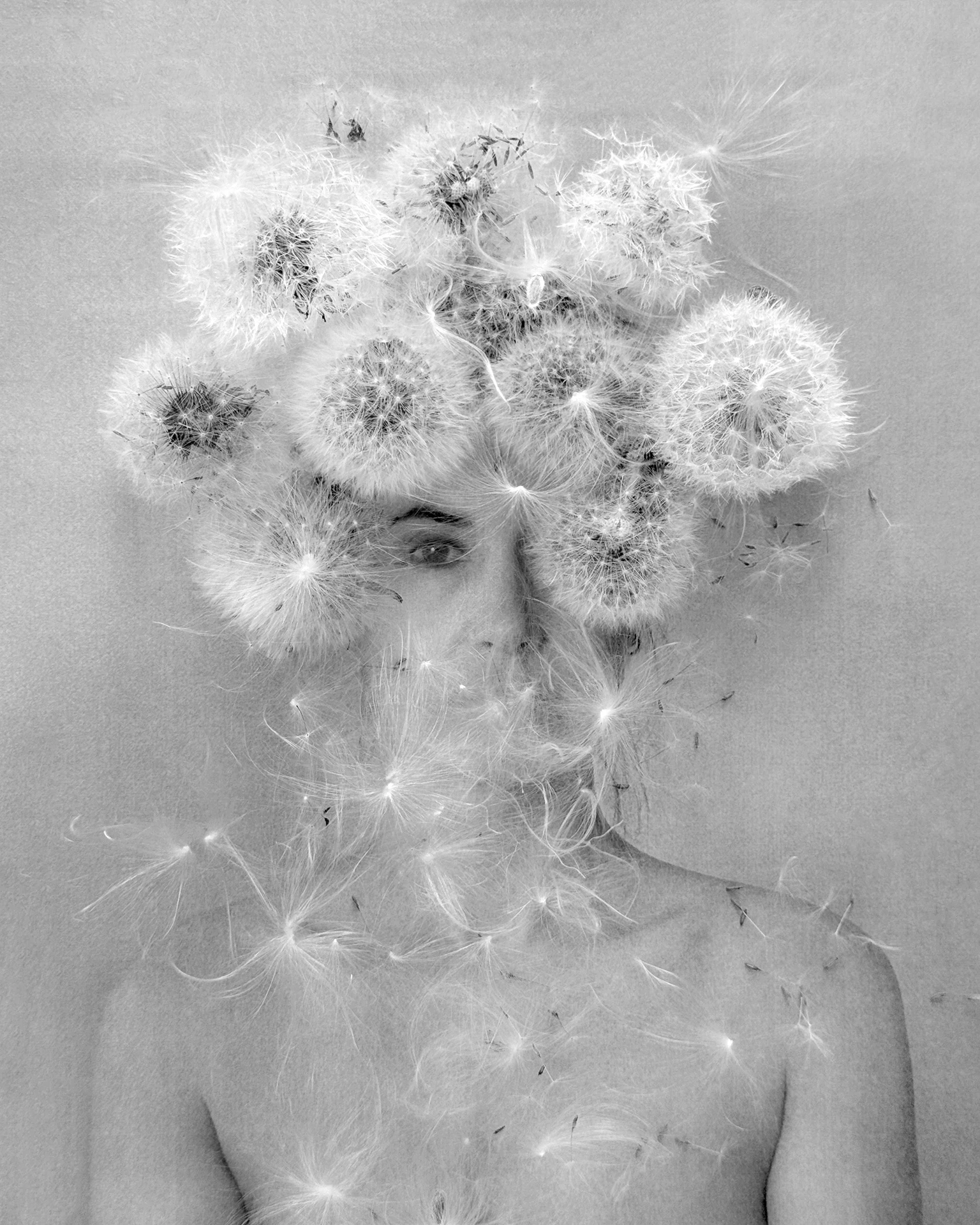
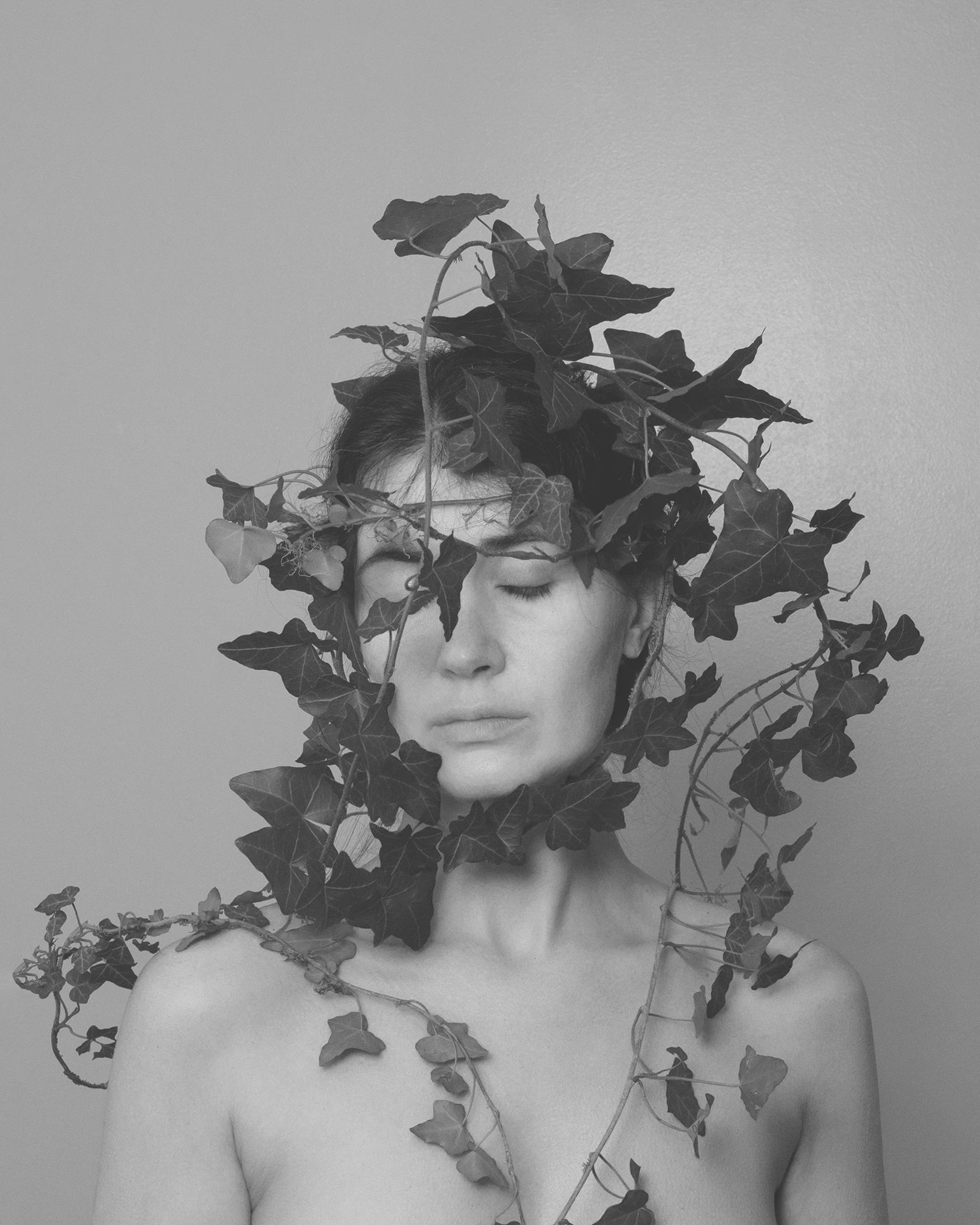
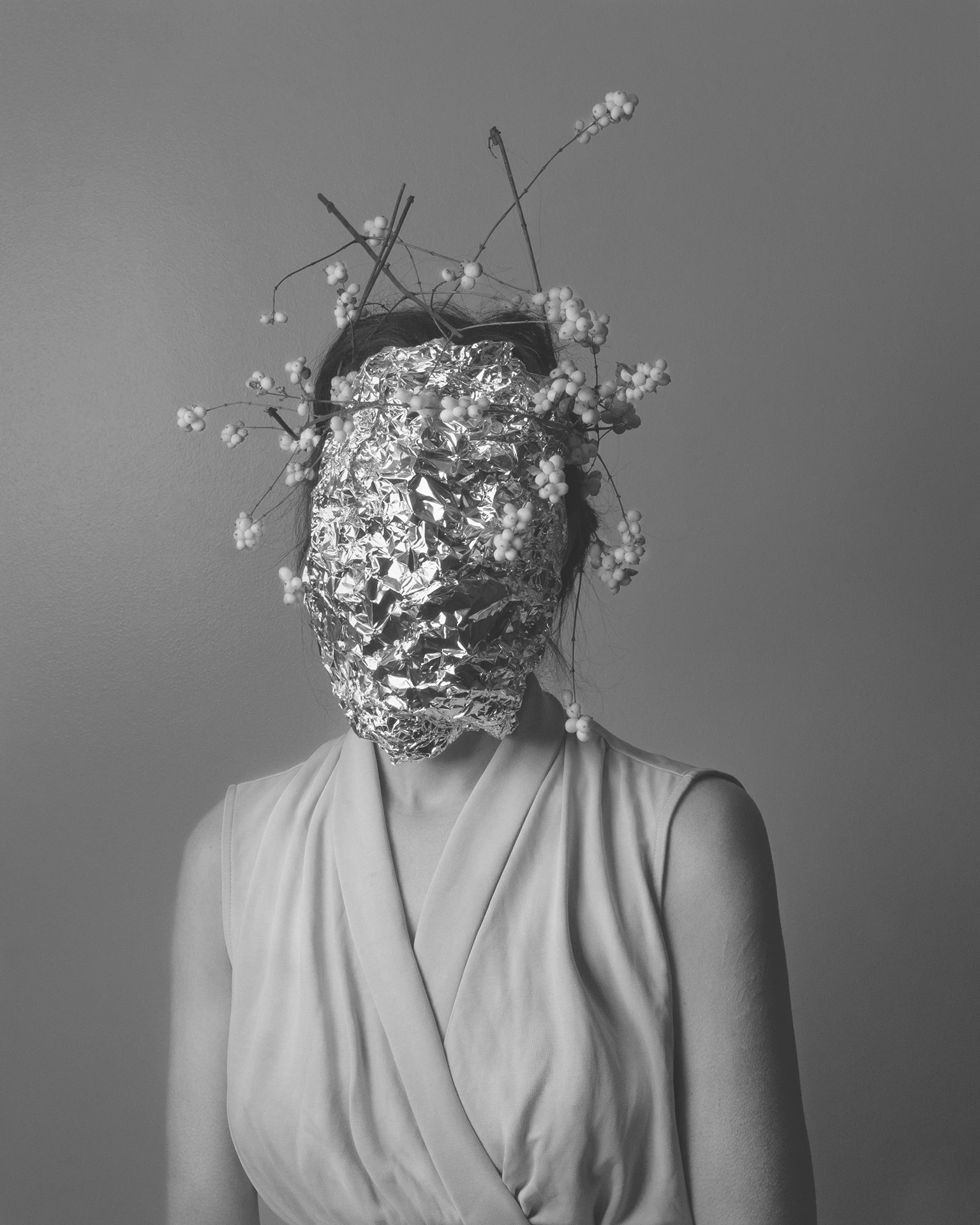
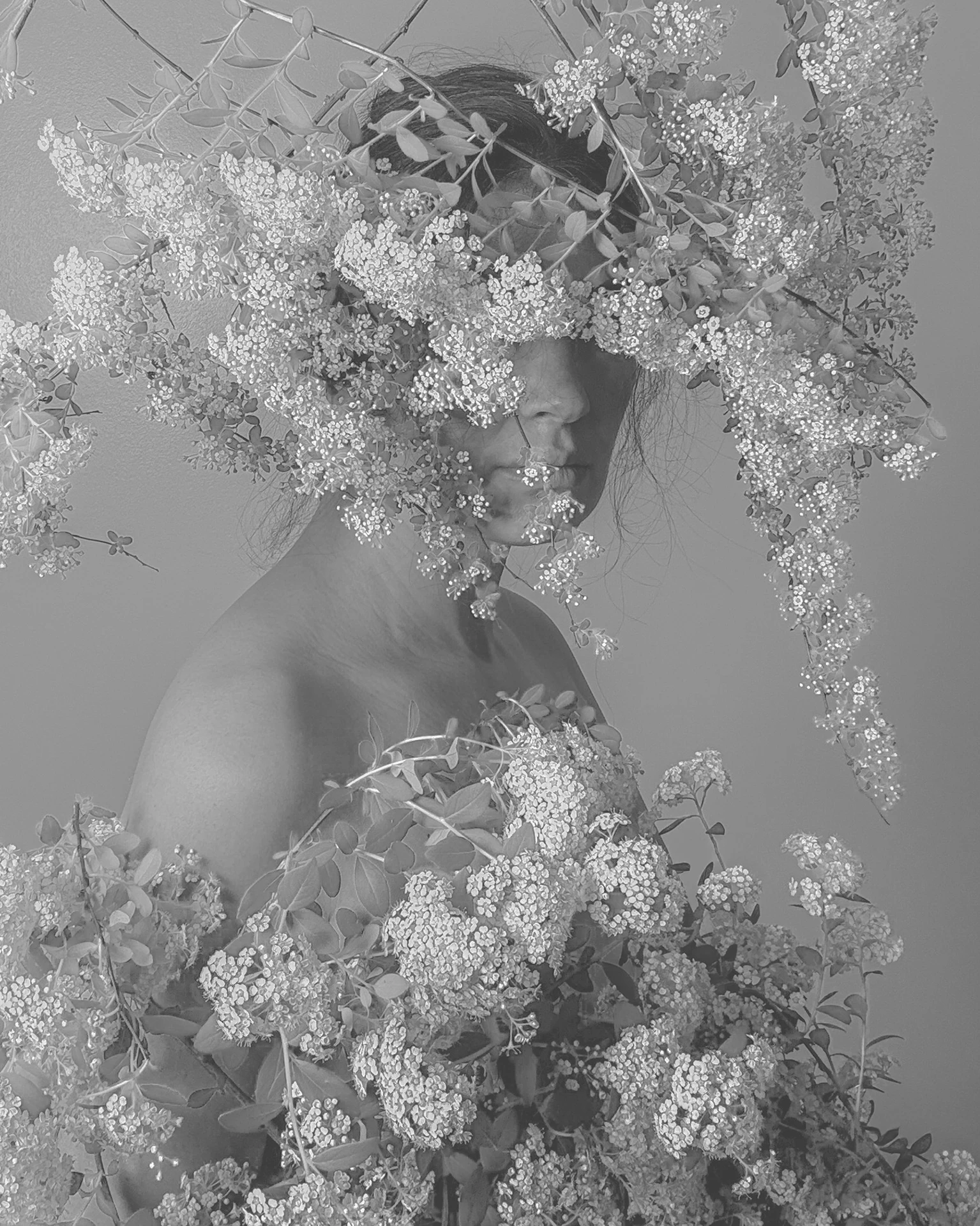
Maria Volnova is a fine art photographer and floral designer based in Canada.
In her artistic practice, she explores the relationship between humans and nature through female portraiture and still life. Using botanical materials as a visual language, Maria creates images that exist on the boundary between presence and disappearance, fragility and transformation.
A deep understanding of natural materials, plant forms, textures, and organic structures has become the foundation of her photographic practice and shaped her distinctive visual language.
In her work, Maria addresses themes of vulnerability, memory, inner stillness, and the subtle interaction between humans and the natural world. Plants become metaphors for inner experience and identity, while photography serves as a way to explore invisible connections between people and their environment.

"The monsoon has an extraordinary way of stripping Mumbai of its routines and revealing its true character. A city known for its relentless pace suddenly pauses, adapts, and begins again. Children transform flooded streets into playgrounds. Commuters wait patiently for delayed trains without losing hope. Fishermen read the changing sea with generations of knowledge. Street vendors protect their livelihoods beneath sheets of blue plastic while strangers instinctively share umbrellas with people they have never met."
Every June, Mumbai begins listening to the sky.
Before the first drop falls, the city changes. Street vendors stretch blue tarpaulins over their stalls. Fishermen study the horizon more closely than the clock. Office workers carry umbrellas beneath cloudless skies, knowing that in this city the weather can change in minutes. The air grows heavier, the sea grows restless, and everyone waits for the monsoon's arrival.
For most people, the monsoon is a season.
For me, it has become a decade-long conversation.
I never set out to photograph rain.
When I began working as a photojournalist with The Times of India, the monsoon was simply another assignment. I covered flooded streets, delayed trains, high tides crashing against Marine Drive, and traffic brought to a standstill. The photographs documented what had happened that day, and once they were published, I moved on to the next story.
But something kept drawing me back.
Even when there was no assignment, I found myself walking the streets with my camera as dark clouds gathered over Mumbai. Somewhere along the way, I realised I had stopped photographing the rain itself.
I had begun photographing people.
The monsoon has an extraordinary way of stripping Mumbai of its routines and revealing its true character. A city known for its relentless pace suddenly pauses, adapts, and begins again. Children transform flooded streets into playgrounds. Commuters wait patiently for delayed trains without losing hope. Fishermen read the changing sea with generations of knowledge. Street vendors protect their livelihoods beneath sheets of blue plastic while strangers instinctively share umbrellas with people they have never met.
Rain changes everything.
Not because it is beautiful, but because it reveals who we are.
Over the last decade, I have photographed every face of the monsoon. Towering waves crashing against the city's sea walls. Families trapped by rising floodwaters. School children laughing as they splash through puddles. Taxi drivers pushing stalled vehicles through waist-deep water. Elderly couples waiting quietly at bus stops. Workers cycling through torrential rain because staying home was never an option.
Each photograph became another chapter in a story that was never really about weather.
It was about resilience.
The monsoon is often described as Mumbai's great equalizer because rain falls on everyone.
Yet the city has taught me that this is only partly true.
Rain falls equally.
Its consequences do not.
One family watches the storm through the glass windows of a high-rise apartment while another spends the night desperately trying to keep floodwater from entering a single-room home. One commuter complains about wet shoes; another walks several kilometres because public transport has stopped. One person photographs the storm from a balcony, while another steps into it because missing a day's work means losing a day's income.
My photographs live somewhere between those realities.
Yet what continues to inspire me is not hardship alone, but humanity. Again and again I have witnessed strangers pushing stalled cars through flooded roads, carrying children across overflowing drains, sharing umbrellas with complete strangers, offering tea to soaked workers, and checking on elderly neighbours before themselves.
In moments when the city appears most vulnerable, it often becomes its most compassionate.
That is the Mumbai I keep returning to.

Over the years, however, I have realised I was documenting something larger than a season.
I have watched the monsoon change.
The rains have become less predictable, more intense, and increasingly unforgiving. Streets that flooded occasionally now flood repeatedly. Storm surges are stronger. High tides swallow coastlines that once felt secure. Communities that have lived beside the sea for generations are finding their homes and livelihoods increasingly threatened.
Witnessing these changes year after year has transformed my photography. I no longer see the monsoon simply as an annual event; I see it as one of the most visible expressions of a changing climate. What began on the streets of Mumbai has led me far beyond the city to document disappearing coastlines, villages slowly being claimed by the sea, and communities living on the frontlines of climate change. The rain became the beginning of a much larger story: one about resilience, loss, adaptation, and the uncertain future of the places we call home.
Photography has taught me that the most meaningful stories are rarely the loudest. They exist in fleeting gestures a child reaching for falling raindrops, a fisherman quietly repairing his nets before another storm, a couple walking beneath a single umbrella, reflections dancing across rain-soaked streets as evening lights begin to glow.
These are the moments that disappear as quickly as the rain itself.
Every year people ask me if I have finally photographed enough rain.
I always smile.
The truth is, I have never photographed rain.
I have photographed hope beneath umbrellas.
Courage in flooded streets.
Kindness between strangers.
Children who refuse to let storms steal their laughter.
I have photographed a city that refuses to stop.
And, increasingly, I have photographed the quiet realities of climate change through the lives of ordinary people who confront it every day.
After more than a decade, I still don't know what the next monsoon will bring.
That uncertainty is why I continue to walk into the rain with a camera.
Because every storm tells a different story.
And somewhere within it, another chapter of Mumbai is waiting to be seen.
Share this Story
Explore More...
Looking through Windows
Nadia Eeckhout
The Faces of Faith
Manoj Yadav
Between the Inner Self and the World
Vlada de Nooij

A photography journal. Published monthly.
E-mail: info@curated.photo
All Rights Reserved. CuratedPhoto @2026