
Mizu Kagami
Olivier Robert
Mizu Kagami
Olivier Robert
24 July, 2026
Olivier Robert is a professional photographer born in 1970 and based in Osaka, Japan. He has spent over 30 years refining his craft, specializing in monochrome minimalist photography inspired by traditional Asian painting, culture, and philosophy. After graduating in Landscape Architecture, he began a long-term project on lakes in 1995.
Olivier has explored all 47 prefectures of Japan, capturing timelessness, simplicity, and mystery.
His ongoing projects include work on Buddhist statuary, sacred sites, and traditional Japanese architecture. He also organizes Photo Tours, guiding photographers to capture Japan’s landscapes and traditions through a philosophical lens.
His photographs have been exhibited in galleries and museums worldwide, as well as featured in publications and books. He has received multiple international awards and regularly serves as a jury member for photography events.
"In a fast-paced world, I wish for my work to serve as a reminder of the values I have mentioned earlier, such as the space and time for observation, contemplation, and the personal dialogue between the viewer and the landscape. If my photographs can inspire even a moment of meditative reflection, they have fulfilled their purpose."
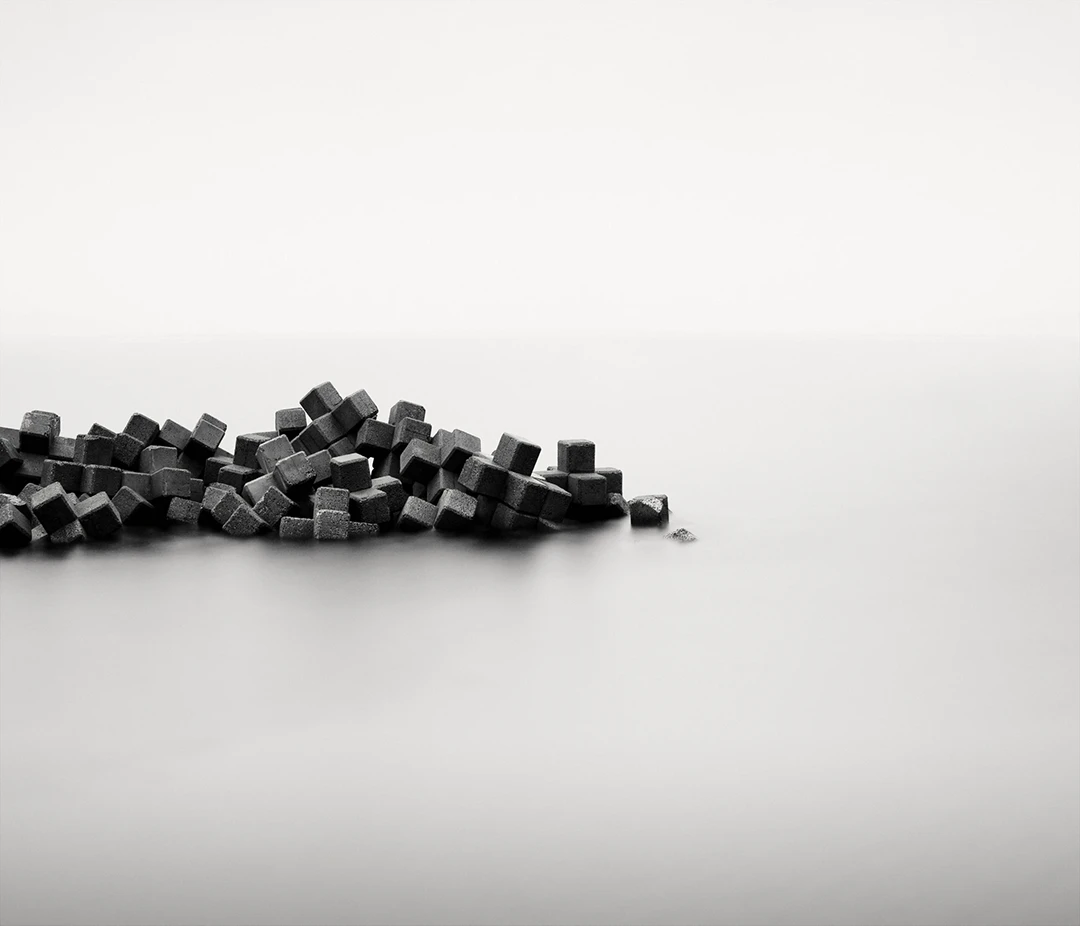
01. Your photographs often feel less like landscapes and more like spaces for contemplation. When you arrive at a location, are you searching for an image, or waiting for the landscape to reveal itself?
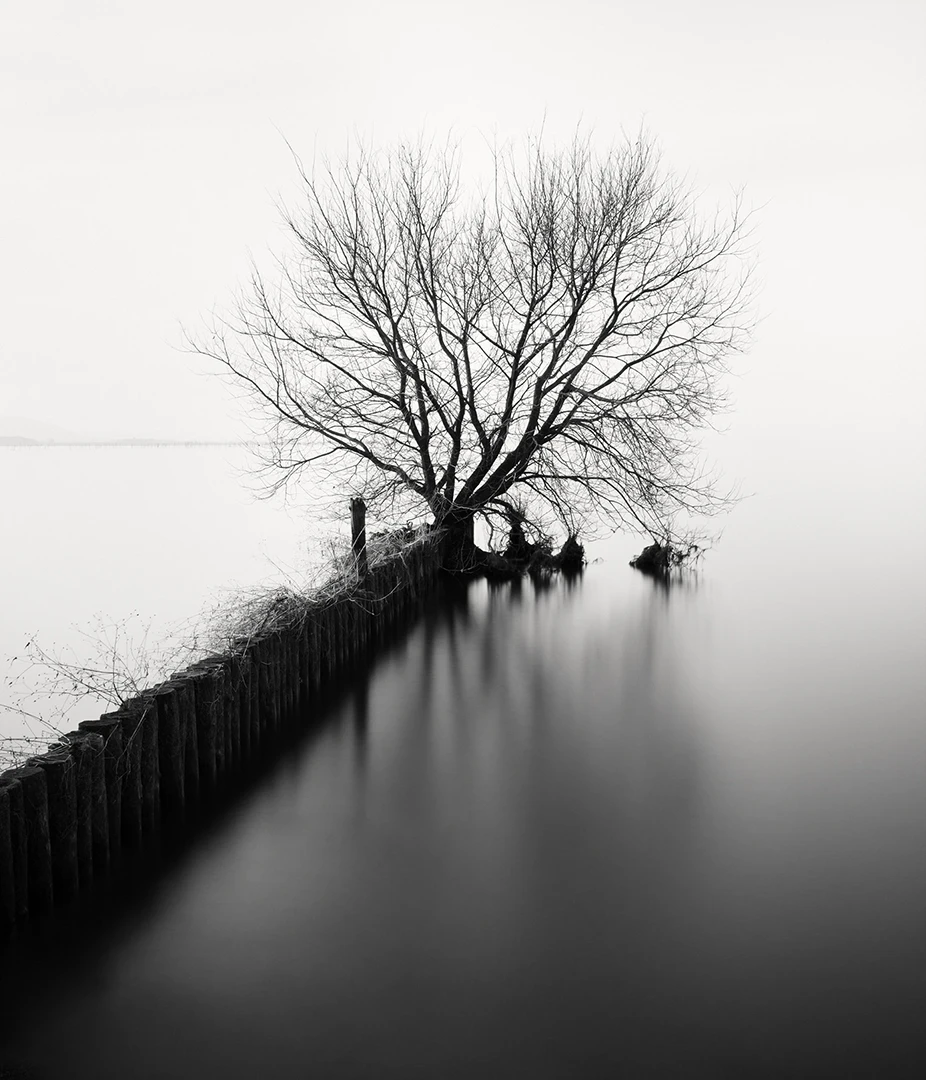
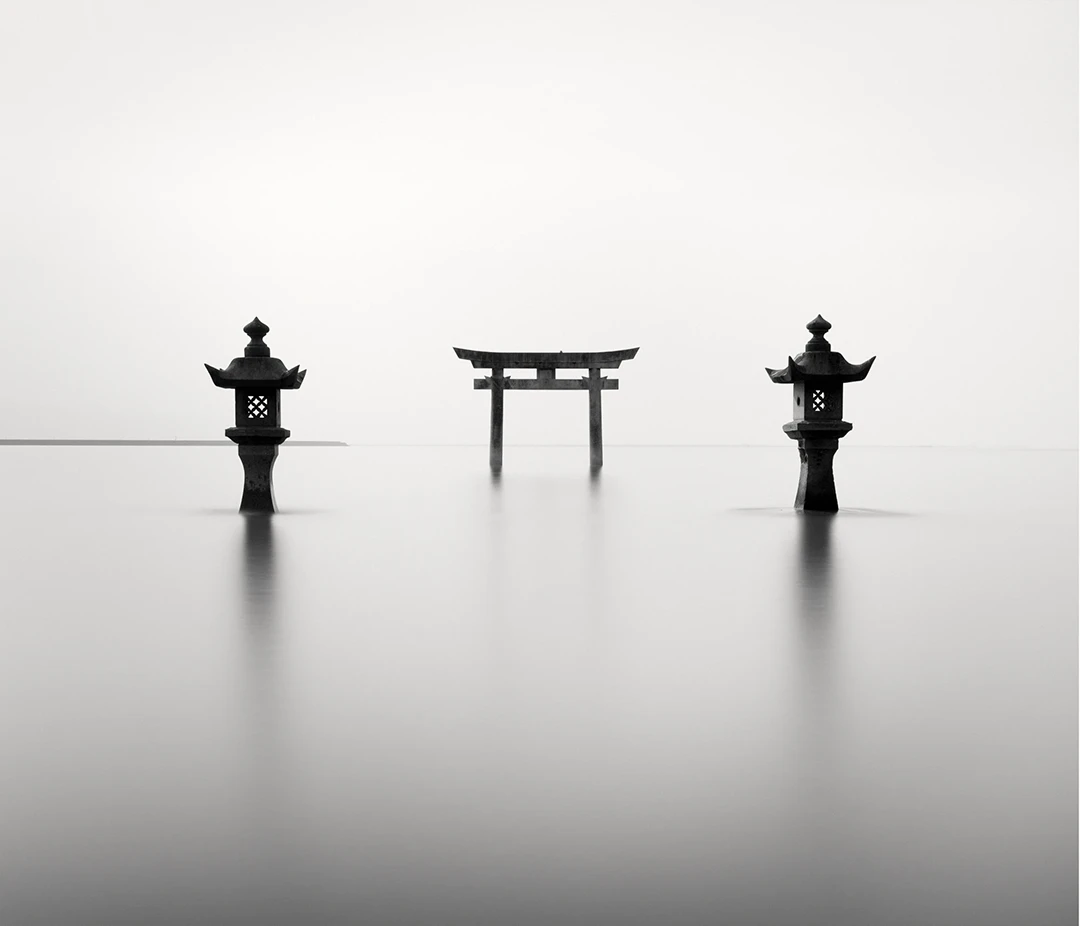
A lone tree by a misty shore or an empty temple courtyard, for example, is an invitation to pause and connect with the ephemeral nature of existence. The camera is nothing but a tool to translate the emotions stirred by the interplay of light and silence.
When I arrive at a location, I do not search for an image. I wait for the landscape to speak, to evoke something characteristic, to reveal its perfections and imperfections. My process is rooted in the art of meditative walks, where observation and presence take precedence over the act of capturing. It is based on the Japanese philosophical concept of Ginkō, a practice deeply intertwined with the tradition of Haiku poetry. This approach requires patience, dedication and the acceptance of failure.
Patience is not a trait I was born with but one cultivated through years of practice. It is the understanding that the most profound moments often emerge when we stop chasing them. The landscape, in its stillness, teaches us to see beyond the obvious and to find meaning in the spaces
between. It is in the embrace of imperfection that the true beauty of a moment reveals itself.
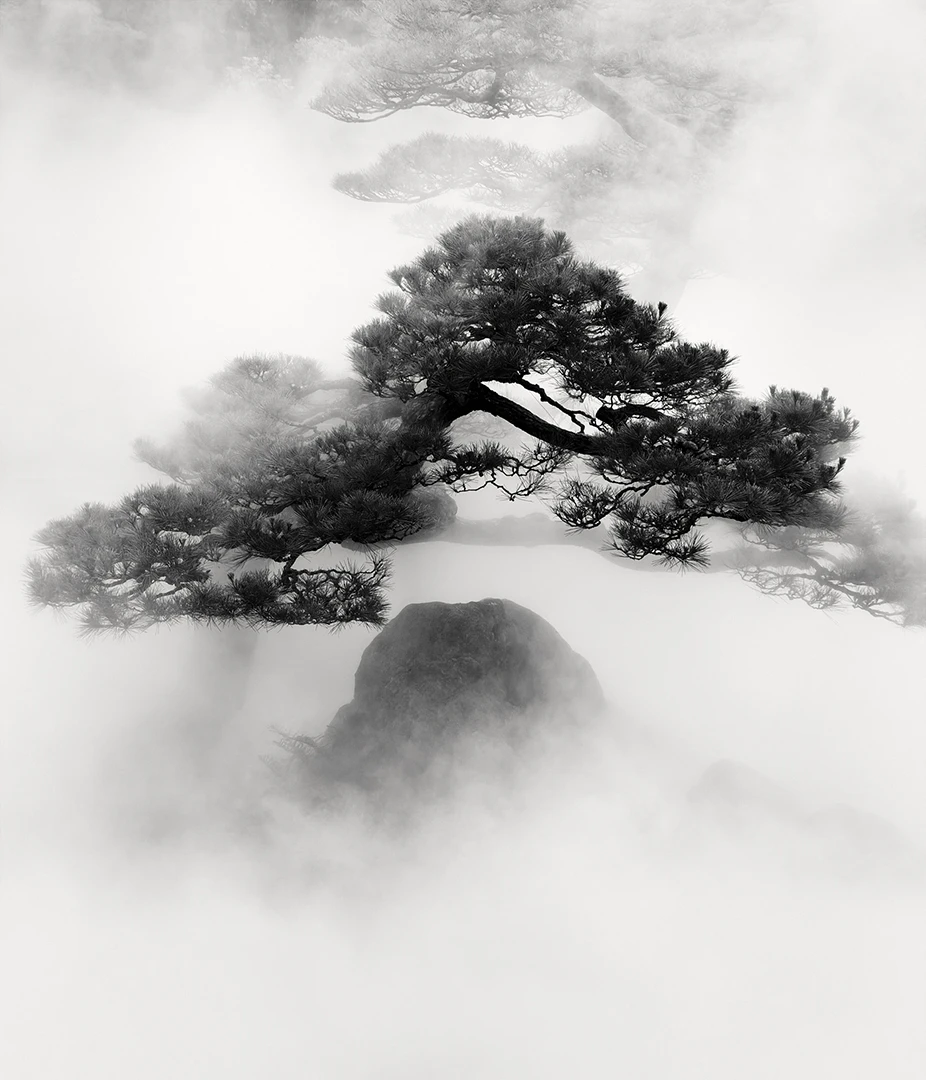
02. Asian philosophy and traditional ink painting have influenced your vision for many years. Are there particular ideas from Zen or Eastern aesthetics that continue to shape the way you photograph today?
Traditional Asian painting and some philosophical concepts rooted in the Japanese culture and aesthetics form the foundation of my photography.
From an early age, classical Chinese ink painting, or Sansui, taught me to see landscapes as living expressions of time and emotion. The power of brushstrokes and the minimalist nature of artistic expression have always fascinated me. It is a quality I sought to transpose into photography from the start.
Both traditional ink painting and minimalist photography aim to capture the essence of a scene rather than its literal representation. My travels to the mountains of China confirmed this aspect of my work, which I now explore daily along the shores and coastlines of Japan.
Other concepts, more distinctly Japanese, have since enriched this approach. These philosophical ideas offer me creative freedom in their interpretation. They define a personal vision of life rather than serving as mere technical tools in photography. I have written several articles about how
these concepts can influence a photographer’s creative process.
For example, the concept of Ma, which defines the space between objects, teaches me to embrace negative space as an active element in my compositions. It is in the emptiness that the story breathes.
Fukinsei, the beauty of asymmetry, reminds me that perfection is not the goal but balance is. To name another one, the well-known concept of Wabi-Sabi, which values the acceptance of impermanence and imperfection, guides my approach both in the field and in post-processing. I prefer to present my landscapes unaltered, as a tribute to the raw beauty of elements in their everchanging evolution.
Over time, these philosophies have become more than just artistic influences. They have shaped the way I see the world, deepened my respect for the landscape, and reinforced my commitment to authenticity. It is a vision I am honored to share with our clients during our minimalist photography
workshops along the coasts and lakes of Japan.
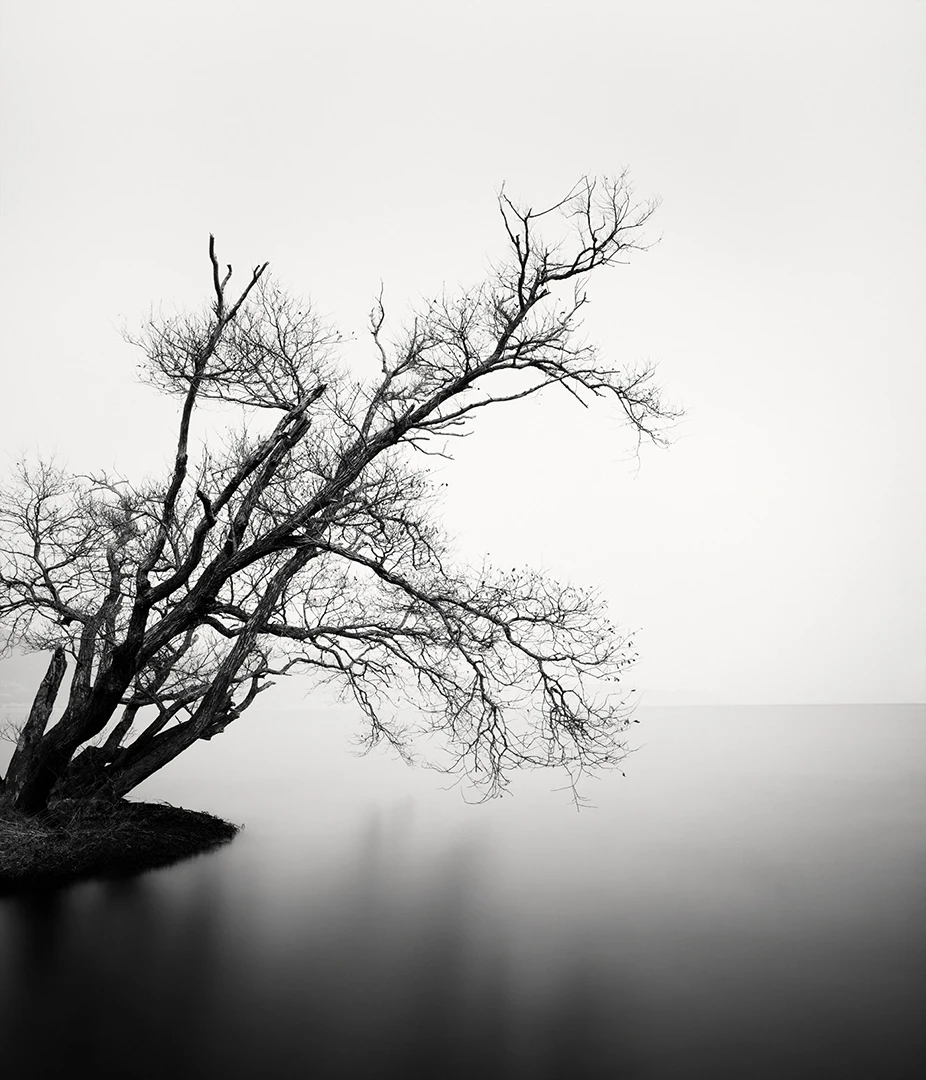
03. You have spent decades photographing lakes, trees, temples, and coastlines in Japan. What continues to surprise you about returning to the same places year after year?
Returning to the same places is indeed part of my approach. Not to replicate a scene but to deepen my dialogue with it, to better feel its energy across the seasons, and to eventually capture its soul through my lens. It is a conscious choice to align with the rhythm of nature rather than the
urgency of modern life.
I believe that one cannot capture the very essence of a landscape in a single visit, on a single day. There are so many subjective factors that can affect our observation. The landscape reveals itself gradually, like a silent conversation unfolding. Over time, the eye is drawn to new details previously overlooked, or a scene that seemed ordinary at first glance becomes progressively interesting, even fascinating. A single visit might capture a moment, but returning allows me to witness the passing moments of nature that I aim to capture. This is another Japanese concept, Hakanai, that
also guides my approach.
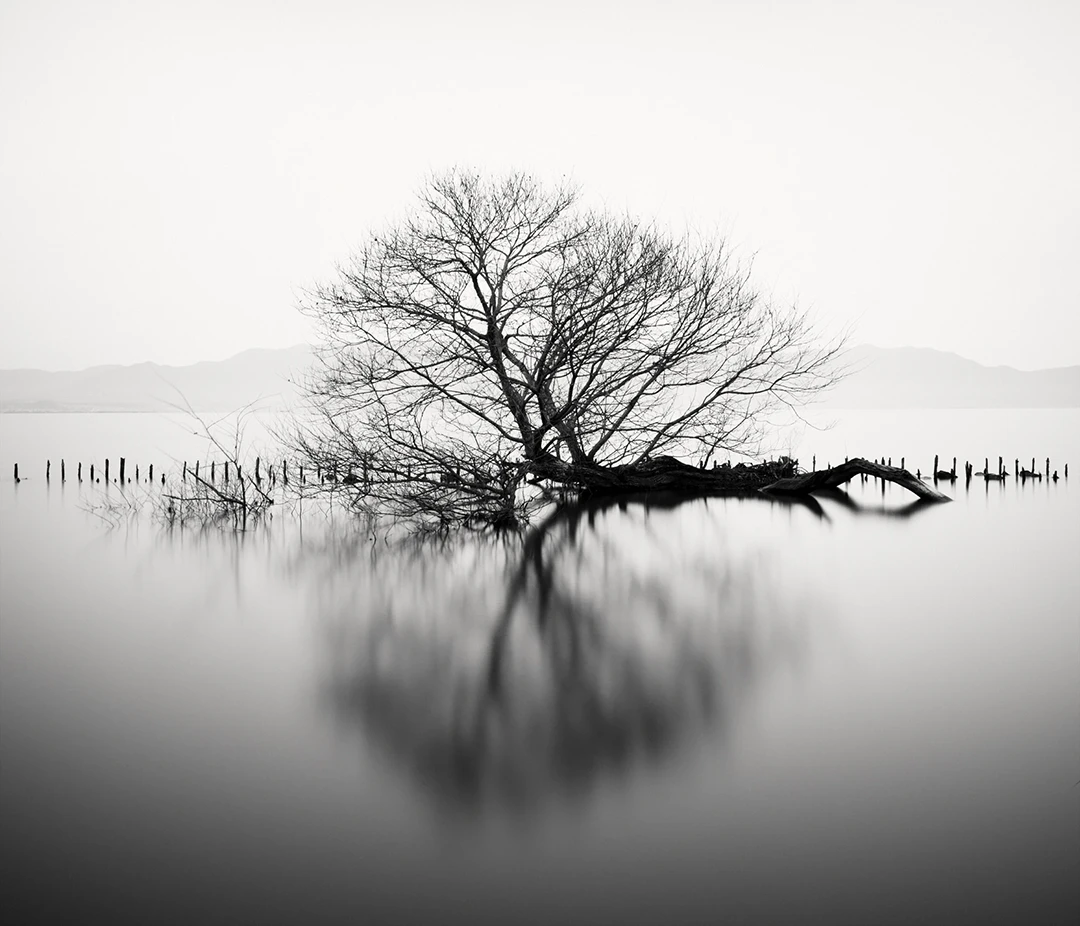
Returning to the same places is like revisiting an old friend, each encounter reveals a new facet of their character under new light. It is a form of mutual understanding between the landscape and the photographer. I have been fortunate to spend nearly 25 years photographing Lake Biwa, fascinated by the wild trees that dot its shores, as well as the magnificent structures that characterize this region. To this day, I continue to discover new perspectives to capture these trees, which are dear to me, pursuing this visual dialogue that becomes a chronicle of resilience.
This repetitive approach is not limited to lakes or coasts. The temples of Shikoku, for example, exert a similar fascination. My wife and I occasionally return to the island to continue our joint project on Buddhist statuary. We constantly rediscover new hidden gems or rephotograph with the same intensity subjects we have known for a long time. These ancient temples do not change, but our vision evolves.
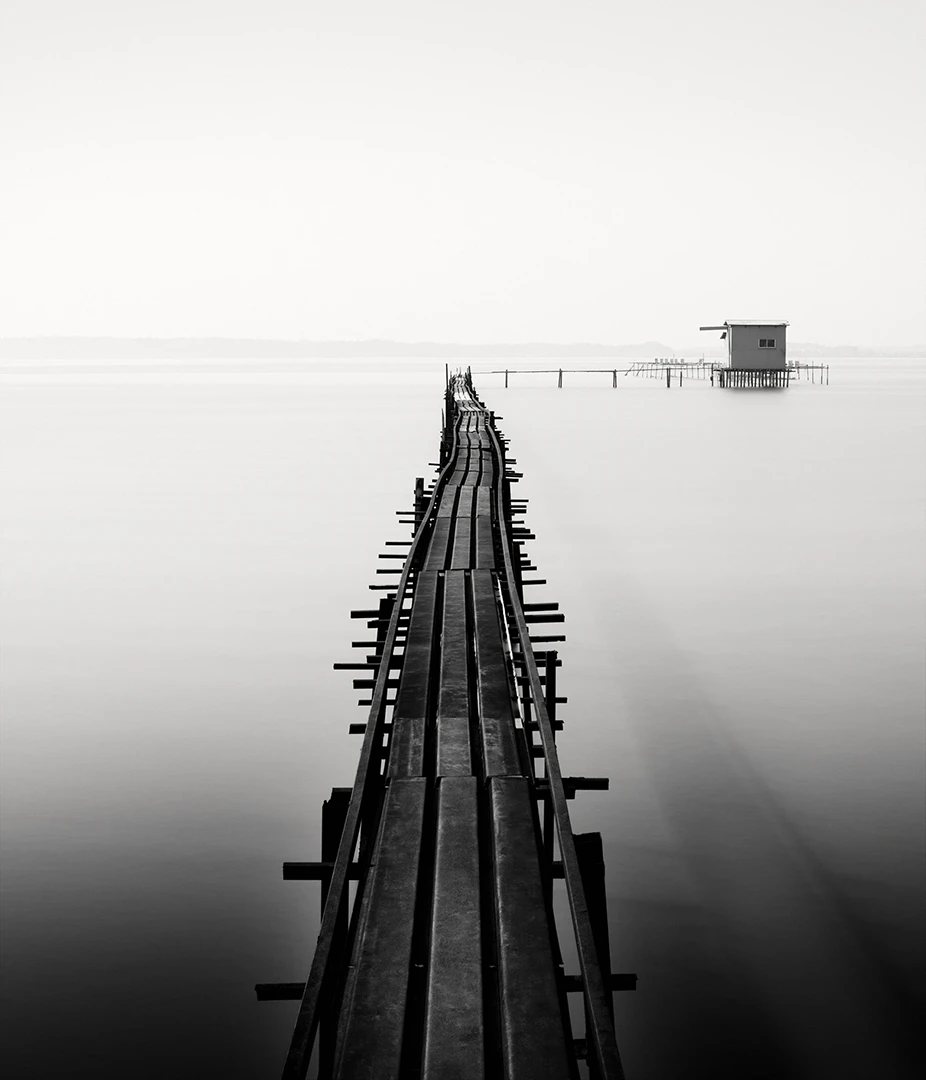
04. For photographers who struggle with finding a personal style, would you recommend photographing more places—or returning repeatedly to fewer places?
Every month, I spend hours in fascinating conversations with clients who struggle to refine or confirm their style. For most, discovering that unique artistic identity is the main reason they join our tours, right alongside their desire to immerse themselves in Japanese culture.
For photographers still unsure of their approach, I do not believe that traveling the world in search of a personal style is a good idea. Disappointment and failure often stem from indecision or a lack of conviction. I frequently observe how the overwhelming abundance of media and visual content
affects indecisive photographers. Influenced by fleeting trends or popular graphic styles, they adopt artistic approaches that fundamentally diverge from what they truly wish to convey through their work.
In general and to reinforce what I mentioned earlier, I would advise photographers struggling to find their style to focus on fewer places. This approach fosters a deeper connection with the subject, allowing for a more authentic and personal expression to emerge.
05. Minimalism is frequently associated with simplicity, but your photographs contain remarkable emotional depth. How do you distinguish between an image that is merely minimal and one that carries lasting meaning?
Minimalism, to me, is not about the absence of elements but the presence of intention. A minimal image is one stripped of distraction, but a meaningful one is imbued with the harmony between human and nature. The difference lies in the emotional resonance. A tree against a blank sky may be minimal, but if it evokes a sense of solitude or timelessness through its framing, then itsurpasses simplicity. In this pursuit, which serves as the guiding thread of my work, I frequently use long exposures.
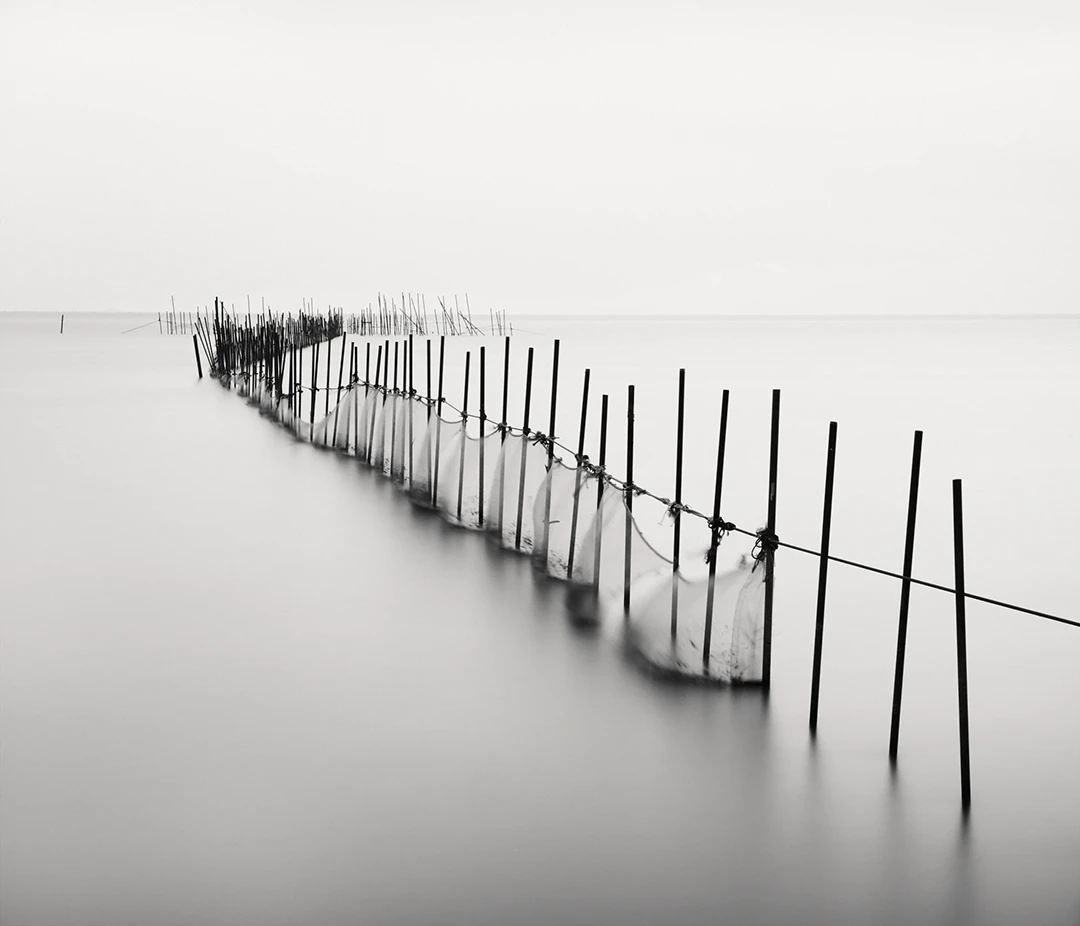
Long exposure is not just a technique but a form of meditation. I use it to capture the essence of time itself, to blur the boundaries between the ephemeral and the eternal. The stillness of a long exposure is not about creating a spectacular effect but about expressing the quietude that invites the viewer to step into the frame and feel its pulse.
Long exposures allow me to freeze a portion of this inexorably passing time over the course of a few minutes. They reveal the slow, relentless action of time on nature, and even more so on human-made structures. This captured passage of time redefines the observed landscape, introducing an element of uncertainty in the result, one that by its very nature cannot be reproduced. Each photograph is unique and contains a significant sense of timelessness.
Although, timelessness is not something I consciously compose. It emerges naturally from my observation of the landscape. By embracing the imperfections and the raw beauty of a scene, I aim to create images that exist outside of time, inviting the viewer to pause and reflect.
06. Your photographs embrace empty space with confidence. Do you think contemporary photographers have become uncomfortable with silence and simplicity in their compositions?
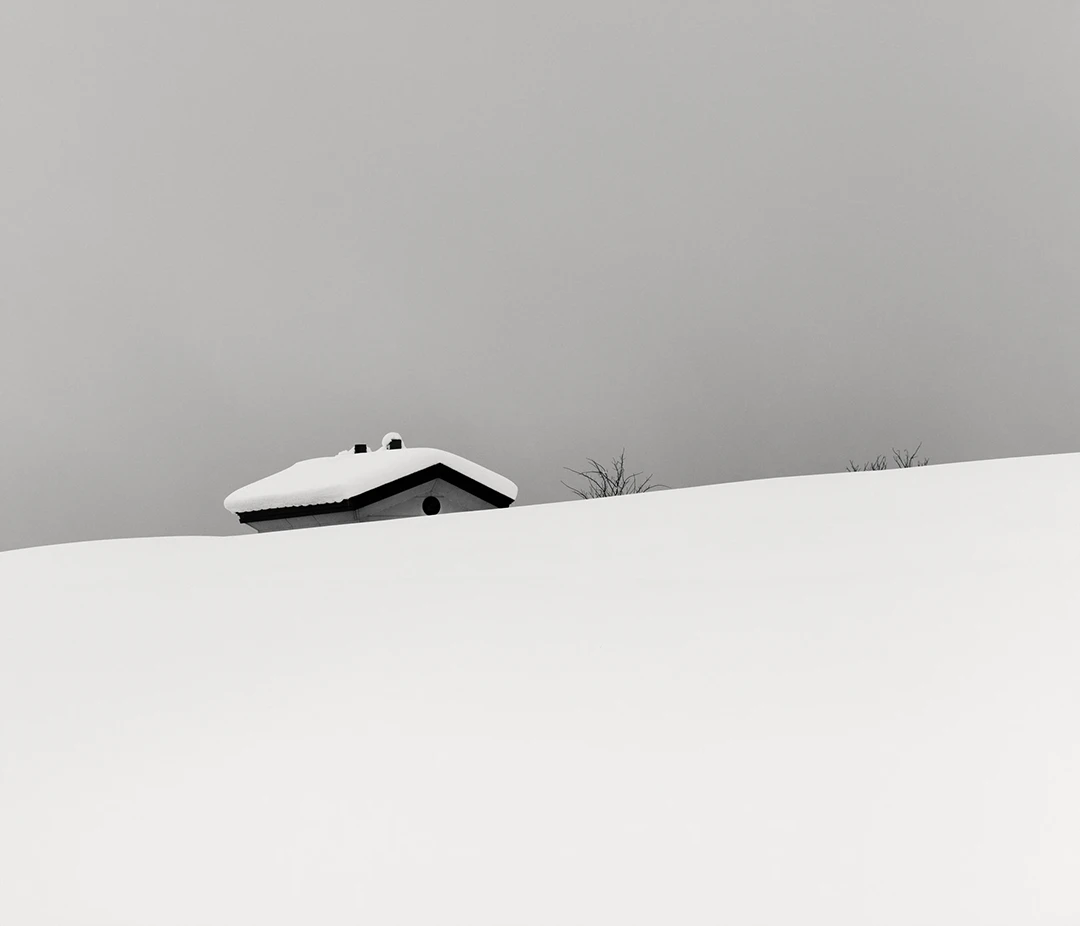
In a visually saturated world, silence and simplicity have become radical acts. Some contemporary artists, influenced by the immediacy of social media, may indeed struggle to embrace empty space with confidence. Yet it is in the silence that the true story emerges. Simplicity is not a lack of complexity but a distillation of it. It is the act of stripping away the unnecessary to reveal the heart of the matter.
The profusion of digital techniques and their ease of use can tempt one into creative excess. For me, the act of photographing is as important as the result. I need to experience those moments of connection with the outside world, with nature, water, and all the elements that fascinate me. The photographs that emerge from these moments must reflect my attachment to the act of capturing them. As a result, I am not an advocate of digital manipulation.
To me, authenticity lies in the unaltered simplicity of the scene. In an era of image synthesis, my definition of photographic authenticity remains unchanged. It is the truth of the moment, captured with artistic integrity toward myself first, and then shared with the clients who purchase my limited edition prints.
07. Looking back at your earliest photographs, what do you recognise in them that still exists in your work today, and what has completely disappeared?
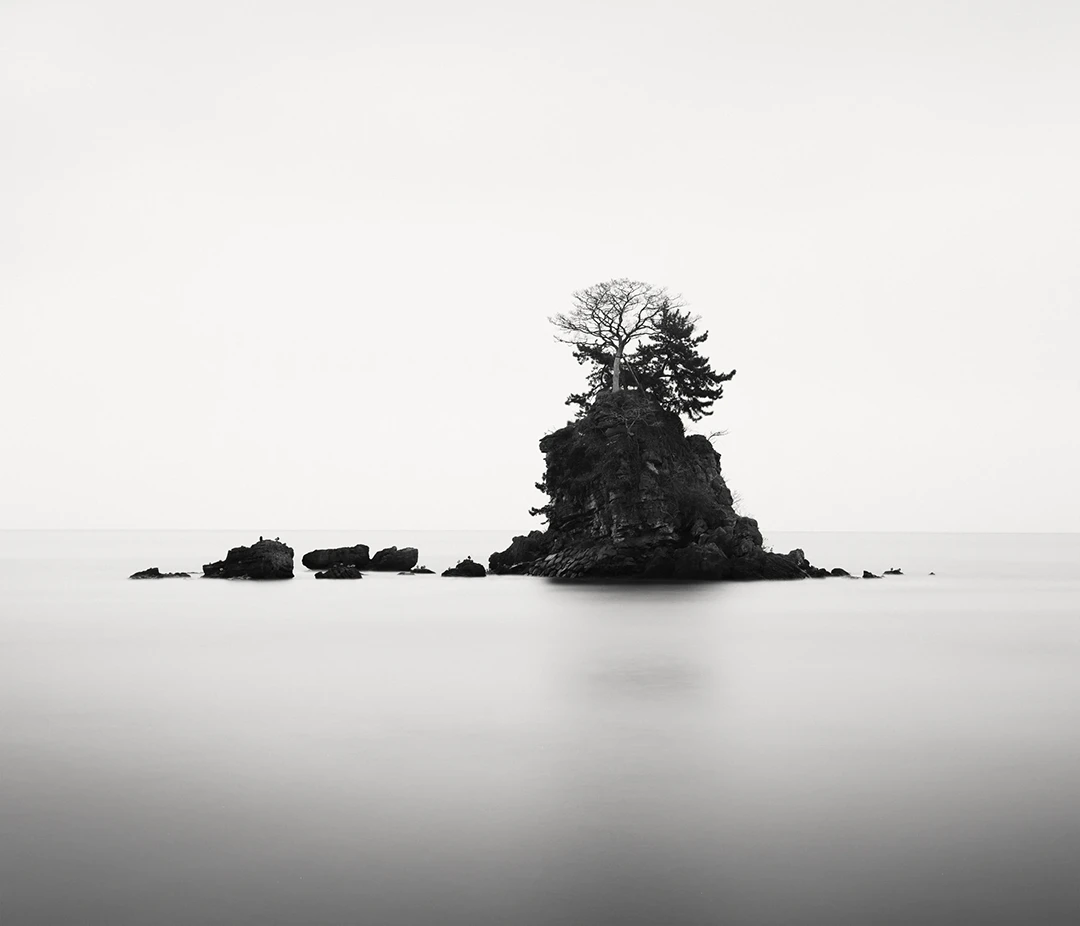
In my earliest photographs, I see the seeds of what defines my work today: a fascination with light, texture, and the interplay of shadows. The black-and-white medium, inherited from my childhood, remains a constant, as does my love for minimalist landscapes, especially lakes and trees, for the
reasons I have mentioned above.
What has disappeared is the urgency to capture everything. I have narrowed my focus to the subjects that truly interest me. Over time, I have learned the value of taking the time to observe, to wait, and to connect with the landscape. This approach also aligns with the Japanese concept of Yūtori, even though the term has a negative connotation in Japan today.
To be honest, I have always been consistent in this approach because it is the only one I feel comfortable with, the one that allows me to fully transcribe my observations of the world.
Consequently, I have stayed true to this vision, regardless of external validation or trends. Of course, I deeply admire other photographic expressions, and like everyone else, I enjoy browsing social media daily. I also document the ambiguities and contradictions of modern Japanese society in a color project that I keep for myself. It satisfies a personal curiosity rather than serving any intention of being published.
08. How has living in Japan influenced not only what you photograph, but also the rhythm and pace with which you approach photography?
Living in Japan has influenced not only what I photograph but also how I approach it. Beyond its personal and family significance, living in Japan has been both a philosophical and a practical necessity for my wife and me.
My fascination with Asia began when I was 15. Since then, I have dedicated much of my time to studying the cultures and histories of China and Japan. As a photographer, my connection to Japan deepened through the lens, where I gradually explored and developed my interest in the traditional aspects of Japanese society.
Immersing myself in daily life as a resident has allowed me to gain a better understanding of the country’s cultural nuances. It has helped me grasp how locals interact with their environment, nature, and history, seen through the perspective of Japan’s rational yet down-to-earth spirit. This understanding is enriched by everyday encounters and the engaging conversations that unfold. From a practical standpoint, proximity to the photographic sites is a significant advantage. It enables me to visit these locations swiftly when the weather conditions are ideal, inevitably enhancing my work and contributing to my personal growth.
Additionally, Osaka, where we reside, is home to vast libraries that give me access to rare historical texts. These resources are invaluable for preparing my documentary photography projects and writing articles about Japanese culture, all of which I have shared in full on my website since 2011.
Being based in the Kansai region also offers a distinct advantage for welcoming and guiding clients on our Photo Tours. And, of course, living here has allowed me to nurture my passion for writing kanji and practicing calligraphy, another visual art form that complements my photographic work.
09. As someone who has spent years building long-term photographic projects, how do you know when a project is complete, or do you believe some projects should never truly end?
A project feels complete when the dialogue with the landscape reaches a natural pause and the story it tells feels whole. This was the case when I decided to close my project on Lake Geneva after 30 years of travel and observation across all seasons. After returning dozens of times to the same locations, I realized I had nothing more to add to my collection of prints. The end of this project came naturally.
Yet most of my work is built around series, as I believe a single image rarely captures the full depth of a subject or place. Some projects, like my work on the trees of Lake Biwa or the Buddhist statuary that I mentioned earlier, are ongoing and sources of endless discovery. These projects evolve as I do, and their completion is not a destination but a continuation. I hope these particular series will never end, as they allow me to explore new perspectives and deepen my connection with the landscape over time.
When editing a series, I look for coherence in emotion and intent. Individual photographs become a visual narrative when they share a common thread. The narrative emerges not from the images alone but from the spaces between them, which invite the viewer to reflect and fill those empty spaces with their own imagination.
10. Finally, if viewers could take away just one idea or emotion after spending time with your photographs, what would you hope remains with them long after they have looked away?
I hope they carry away a sense of quietude that allows them to pause, breathe, and connect with the timeless beauty of the world. My photographs are invitations to step into a moment of stillness, celebrate the transitory nature of existence, and find meaning in the simplicity of the present.
In a fast-paced world, I wish for my work to serve as a reminder of the values I have mentioned earlier, such as the space and time for observation, contemplation, and the personal dialogue between the viewer and the landscape. If my photographs can inspire even a moment of meditative reflection, they have fulfilled their purpose.
Share this Story
Explore More...
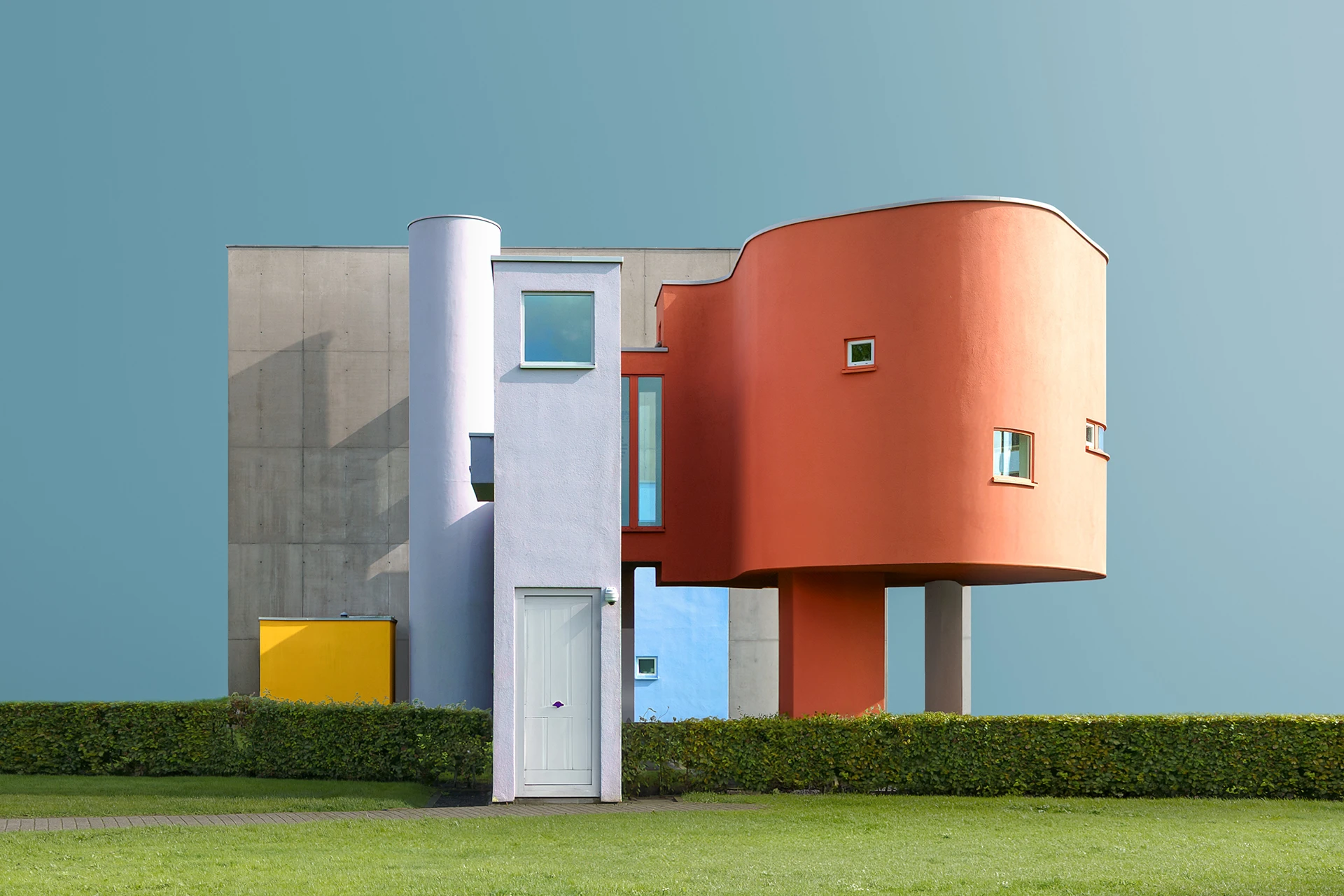
Wall House # 2
Frank Loddenkemper
“A minimalist photographic study of John Hejduk's iconic Wall House #2…” Read more →
The Invisible Within
Irina Denisova
“A poetic exploration of identity, and the quiet landscapes of the human spirit…” Read more →

A photography journal. Published monthly.
E-mail: info@curated.photo
All Rights Reserved. CuratedPhoto @2026