
Beyond the Photograph
Roberto Pazzi
Beyond the Photograph
Roberto Pazzi
20 July, 2026
Born in Italy and educated as engineer, Roberto Pazzi found his true passions in travelling and photography remote cultures. His immersive approach to photography has earned him acclaim from both critics and peers alike, having been recognized in several prestigious international competitions. Roberto's work has reached the pages of renowned publications all over the world, offering glimpses into the captivating diversity of our planet. He also published HUMANKIND, a premium limited-edition volume presenting a curated selection of his most remarkable works in large format. Currently based in Spain, Roberto collaborates with Nomad Photo Expeditions, where he designs and leads immersive photographic journeys to some of the world’s most remote and culturally vibrant regions.
"I spend time with people, share moments with them, ask questions, and allow trust to develop naturally. I am interested in their history, traditions, beliefs, relationship with nature, family structures, work, and rituals. This curiosity is a form of respect because it shows that I am there to learn, not simply to photograph."
A Journey Towards Photography
I was born in Italy in 1973 and, long before becoming a photographer, I was a traveller. Curiosity has always been the force that guided my life. Since childhood, I have been fascinated by geography, history, and the extraordinary diversity of human cultures. I was drawn to the idea that beyond the boundaries of my own experience existed countless ways of understanding life, society, and our relationship with the world.
For many years, however, my professional path followed a very different direction. I studied engineering and built a successful career in Information and Communication Technologies, working for almost fifteen years in a stable and rewarding environment. I had achieved what is commonly considered a successful life: professional recognition, financial security, and a clear identity.
Yet, despite these achievements, I felt that something essential was missing. I realised that I was following a path shaped by expectations rather than by my deepest aspirations. This awareness led me to question my priorities and eventually to make one of the most important decisions of my life: dedicating myself to travel, photography, and the exploration of human stories.
Photography entered my life relatively late. At first, it was simply a way to preserve memories from my journeys, a visual diary of places and people I encountered. The transformation came in 2013 during a long journey through Indonesia, where I travelled across Java, Sulawesi, Papua, Bali, and Borneo, spending time with remote communities, including the Dani people of West Papua.
That experience changed my understanding of photography. I discovered that an image could become much more than a record of a moment. Photography could create dialogue, preserve memories, and connect people who might otherwise never encounter each other.
The true focus of my work became the people themselves: their stories, traditions, emotions, values, and identities. The destination was only the context. The human experience was the real subject.
Photography became an immersive process based on relationships. It moved from observation to participation, from collecting images to understanding lives.
A few years later, I left my engineering career and relocated from Italy to Spain, where I am now based. This decision was not a rejection of my previous experience. Engineering gave me discipline, analytical thinking, and the ability to approach complexity with method. These skills continue to influence my photography today.
Photography gave me something different: a sense of purpose, a way to express my vision, and the possibility of creating work connected to my values.
My photographic education has been built through experience rather than formal academic training. It has developed through travel, observation, mistakes, encounters, and continuous learning. Every journey has become both a photographic project and a lesson about humanity.
Photography as Responsibility
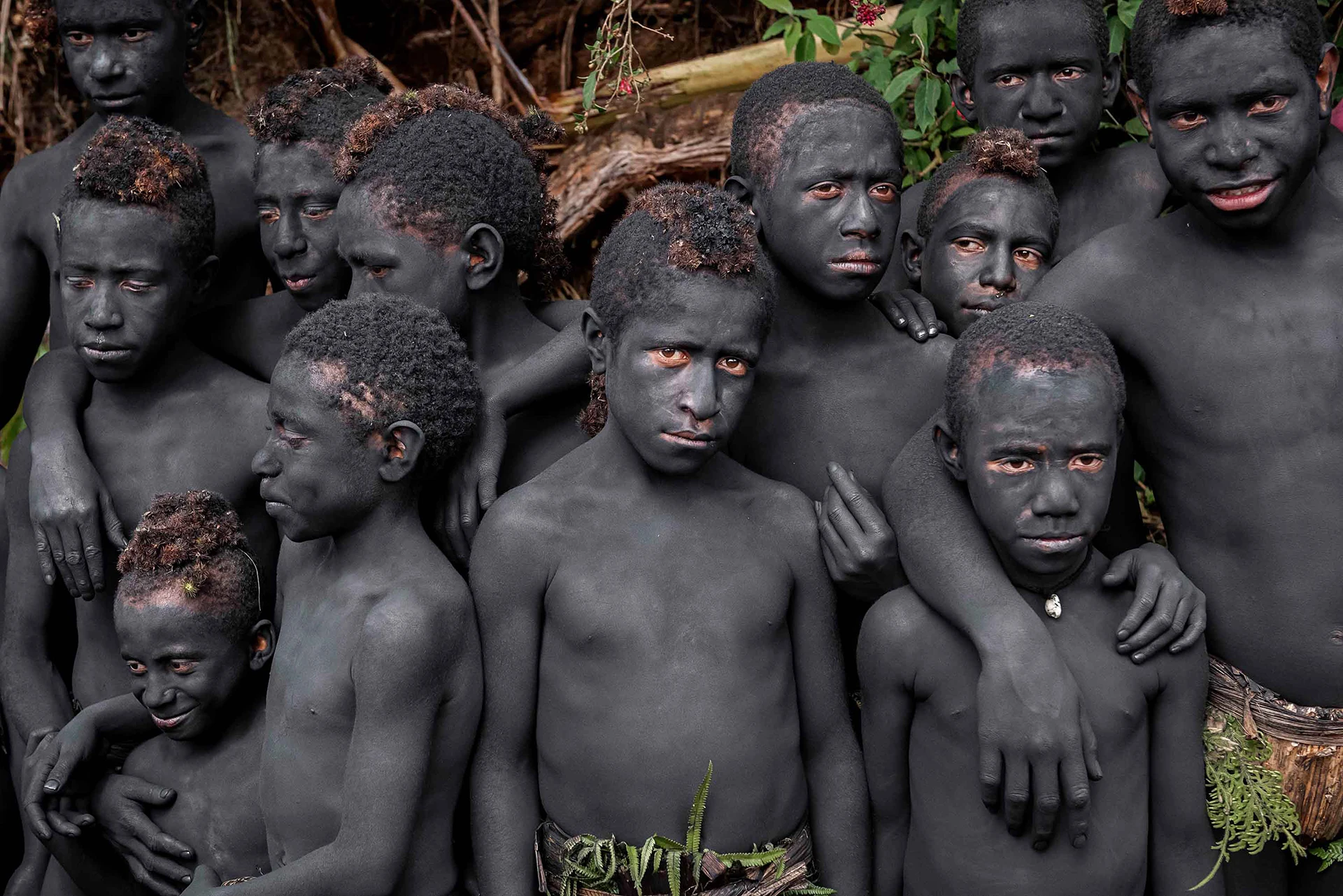
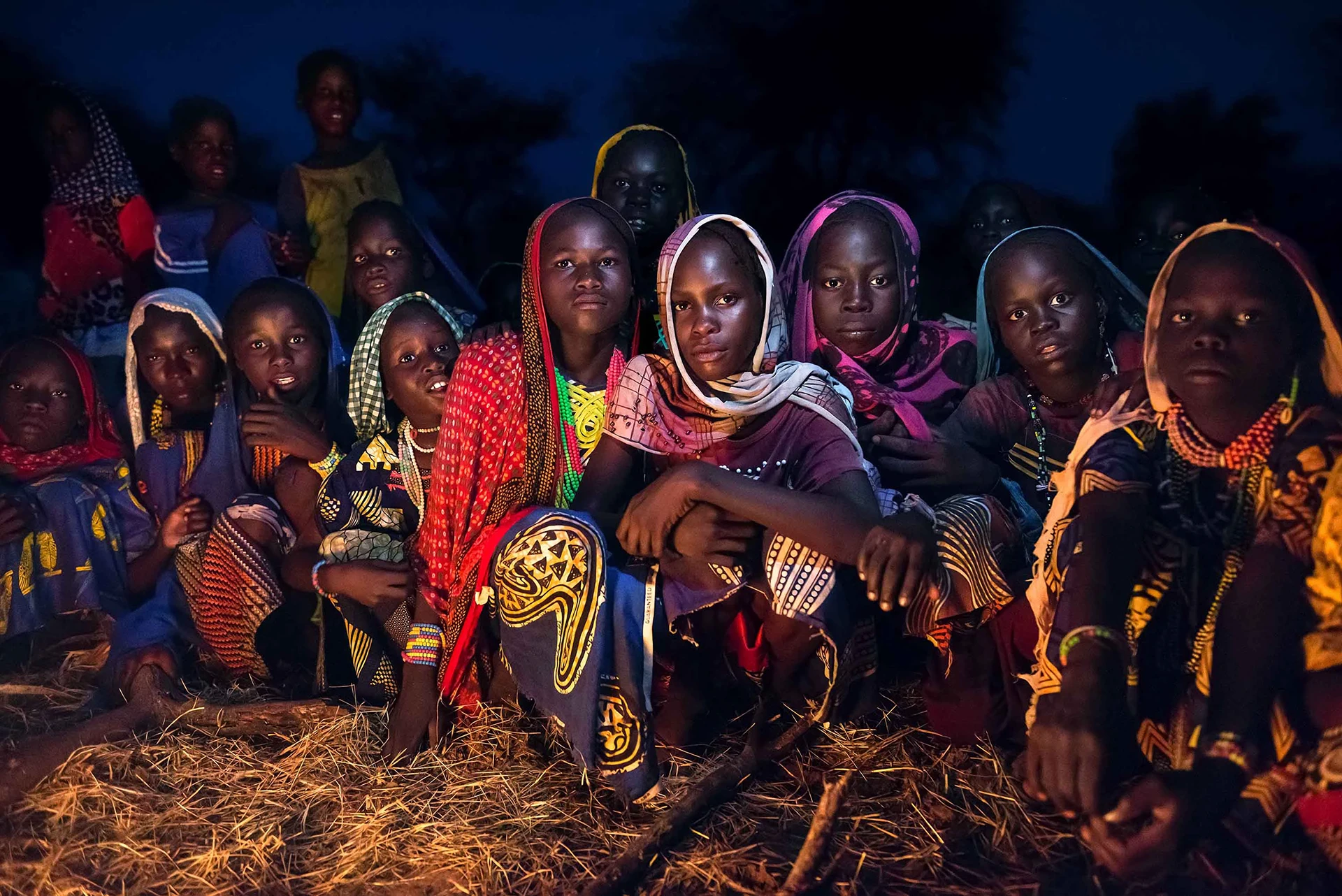
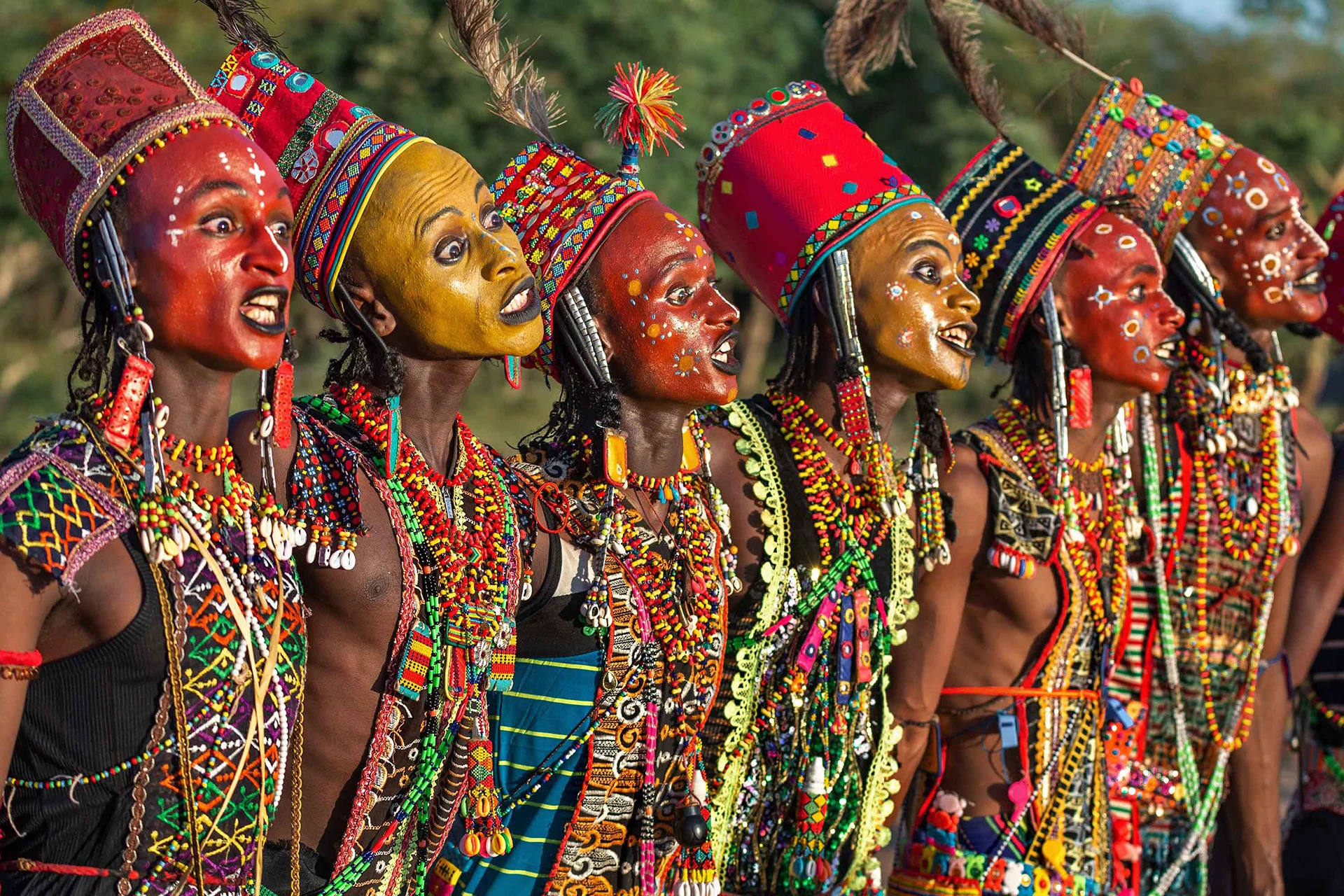
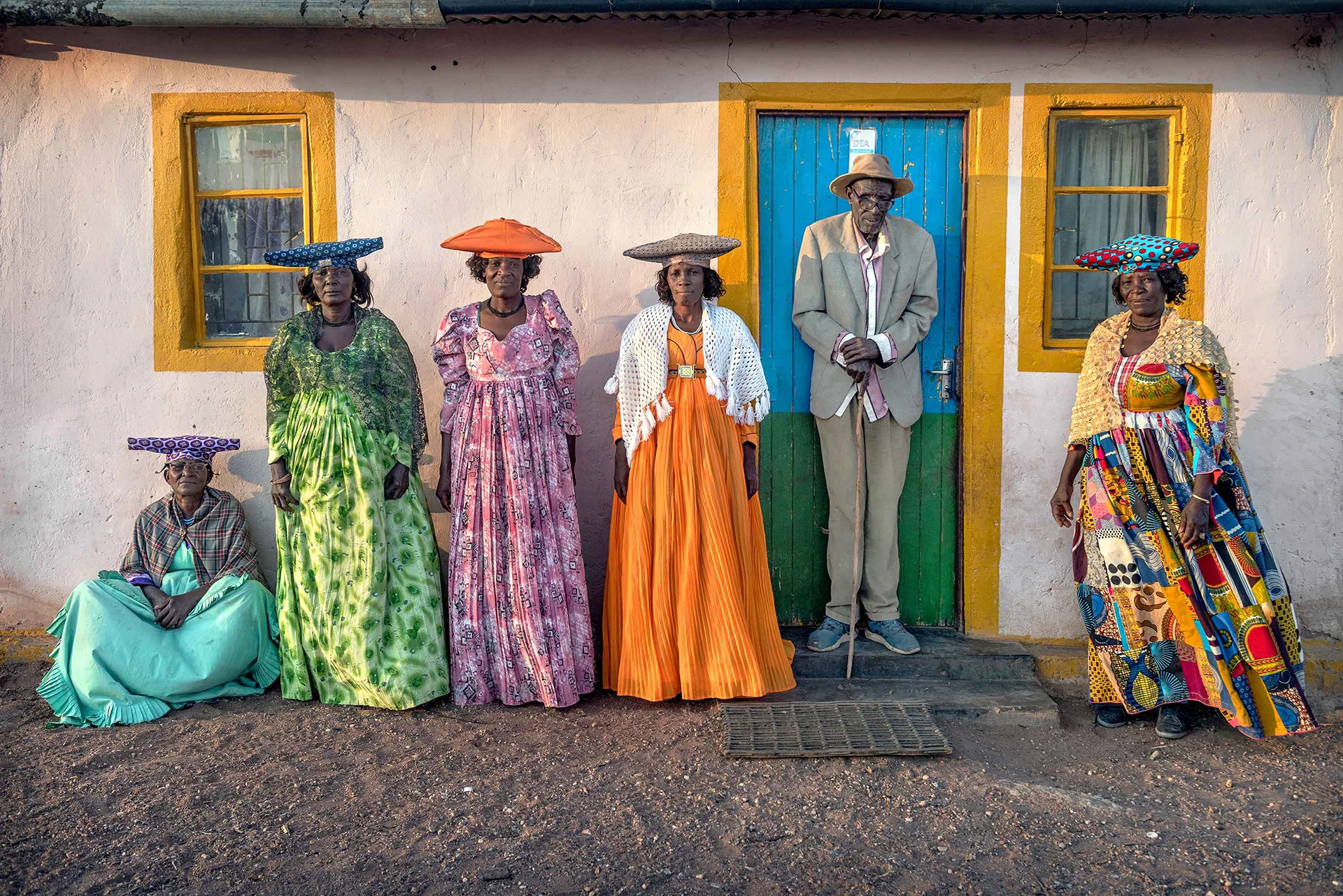
My work focuses mainly on communities whose traditional ways of life are undergoing profound transformation. Over the years, I have travelled to regions including Papua New Guinea, South Sudan, Ethiopia, Namibia, Chad, Bhutan, Nepal, Iran, Mongolia, Madagascar, India, Cambodia, Indonesia, Uzbekistan and many more.
My interest has never been based on exoticism or the search for distant worlds. I am interested in human heritage: the knowledge, traditions, rituals, and values developed by communities over generations.
Many of these cultural expressions are fragile. Globalisation, economic changes, and social transformation are reshaping ways of life that have existed for centuries. These communities represent an important part of our collective memory. They remind us of where we come from and reveal aspects of humanity that modern societies often risk forgetting.
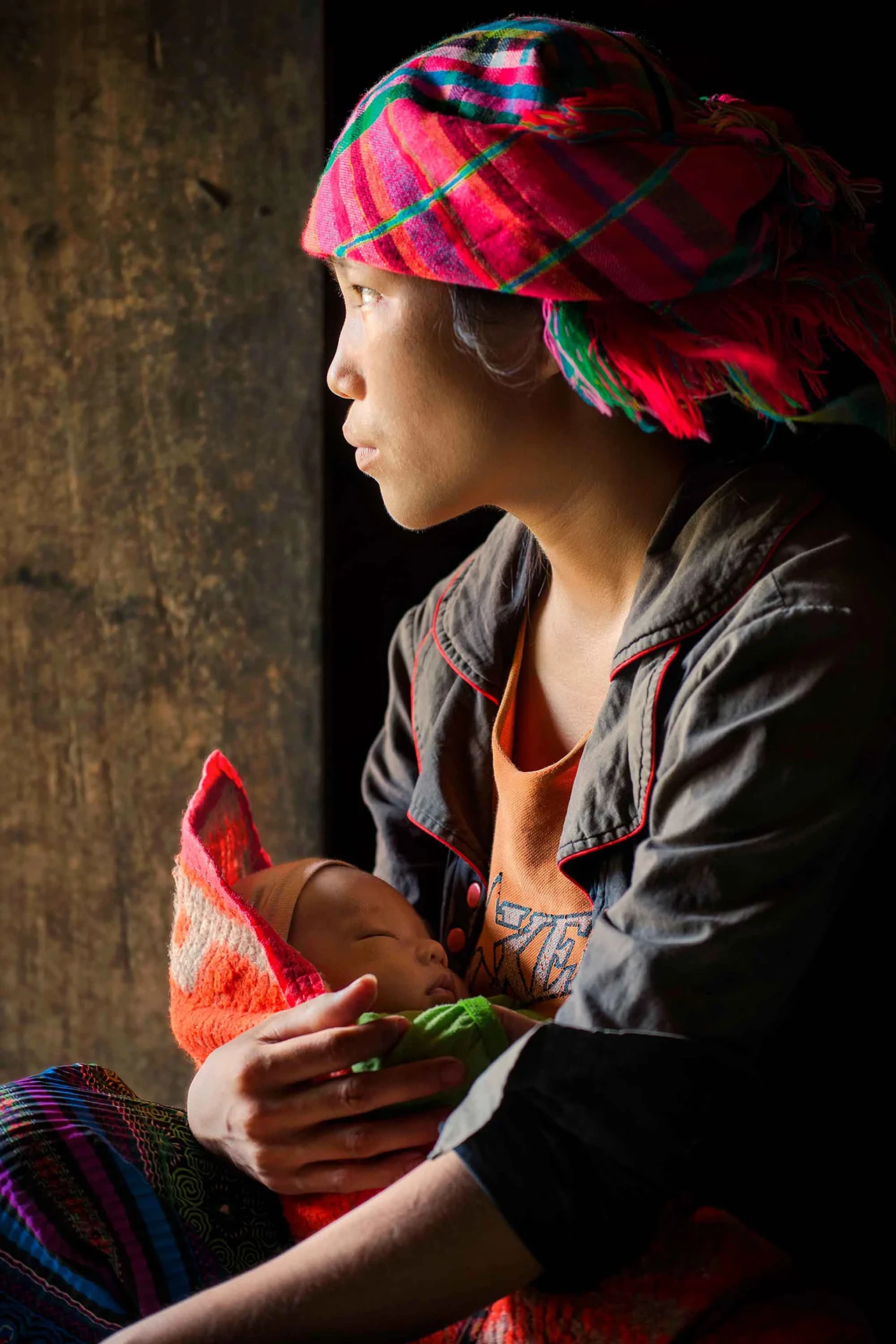
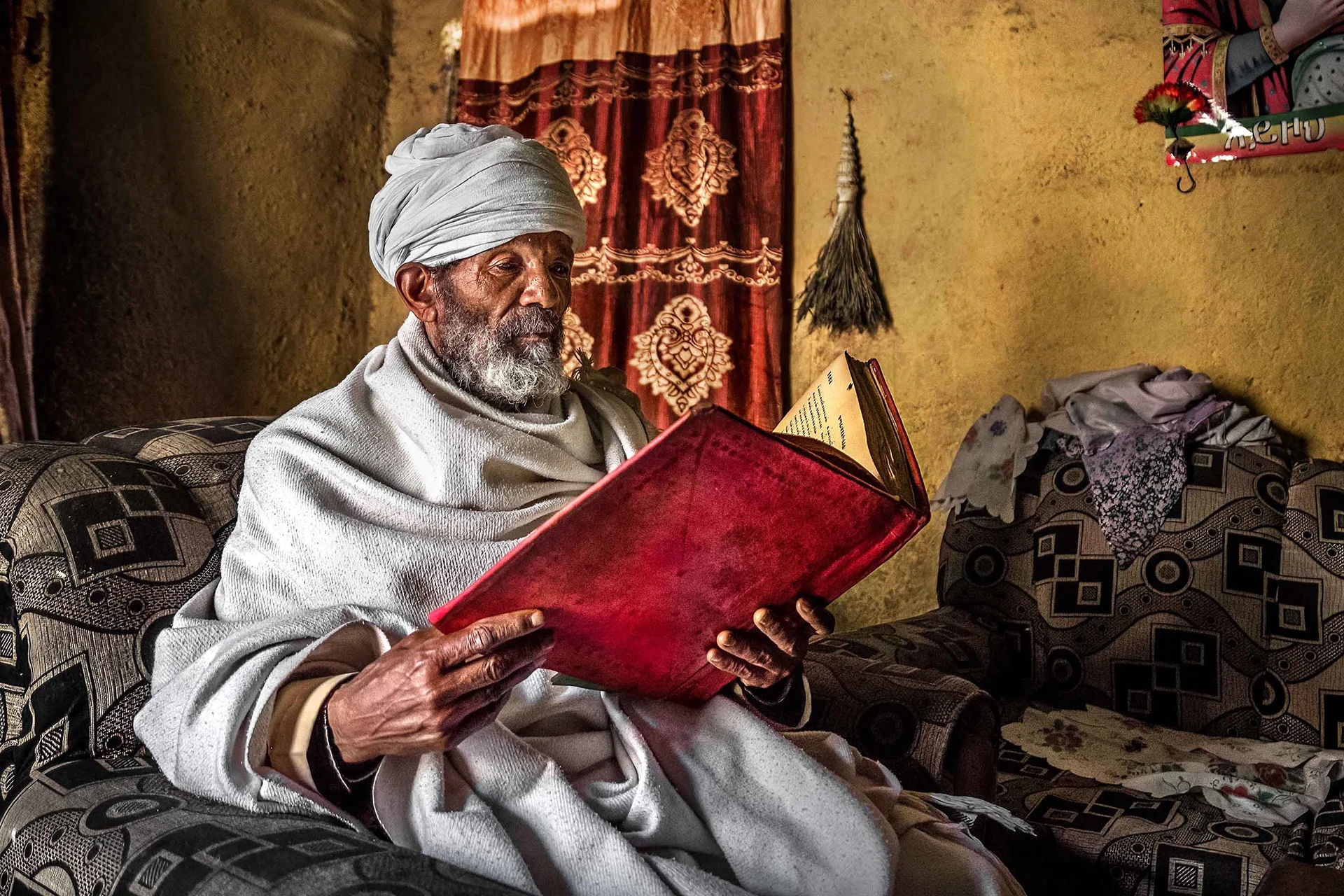
When I photograph people, I see individuals with their own histories, emotions, hopes, and dignity. Every face carries a story. Every gesture, expression, and mark of time contains a fragment of a personal and collective history.
The photographer should never become the centre of the narrative. The value of an image comes from the people represented, their identity, and their experiences. My role is to create a space where their voices, traditions, and daily realities can emerge with authenticity.
Documentary photography carries an ethical responsibility. Images influence how cultures are perceived, and the photographer has the power to shape narratives. For this reason, photographs must remain connected to reality.
My role is to witness, understand, and document. I do not want to create stereotypes or impose my own interpretation. I want my images to communicate the complexity of human experiences and represent people with honesty and respect.
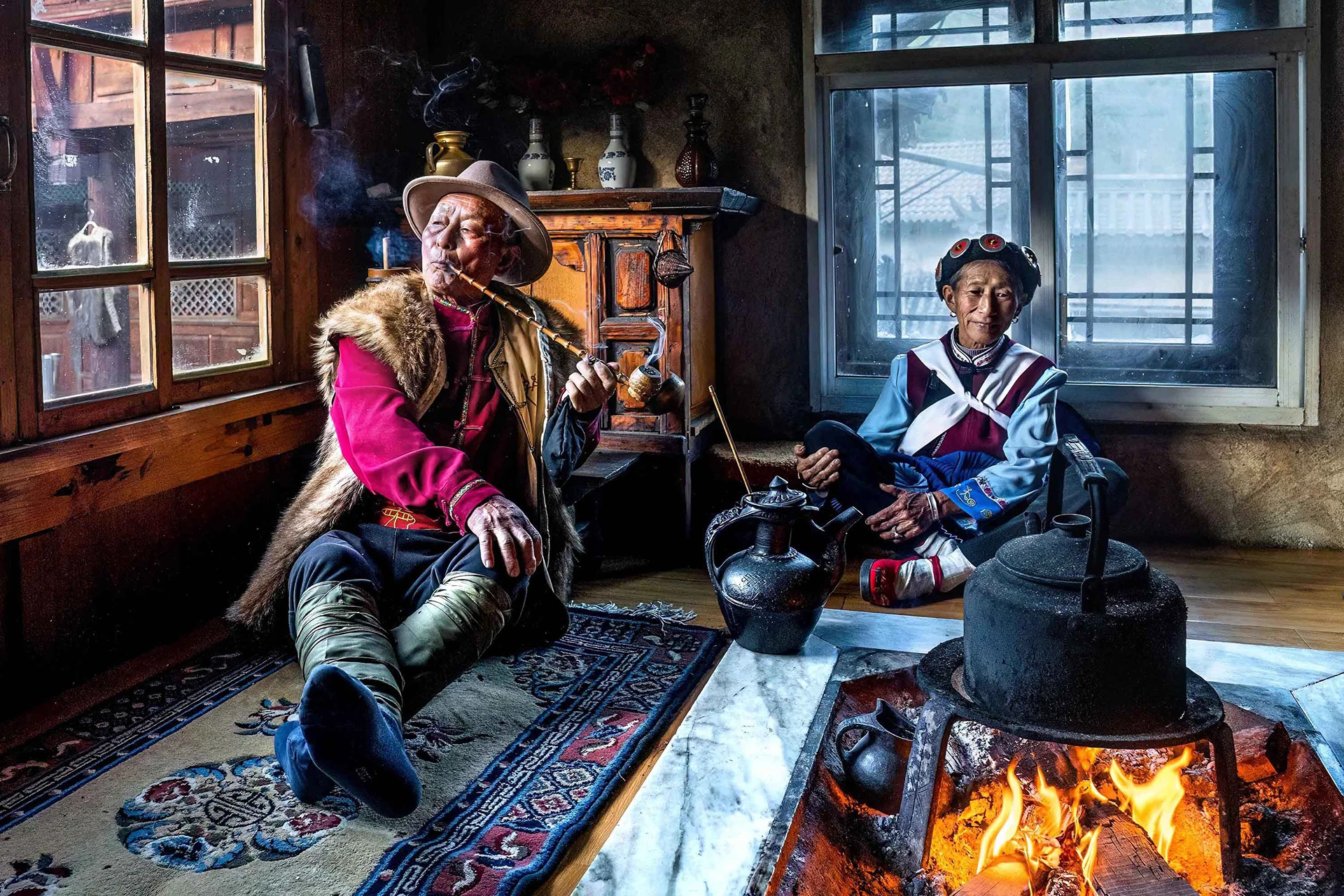
Relationships before Images
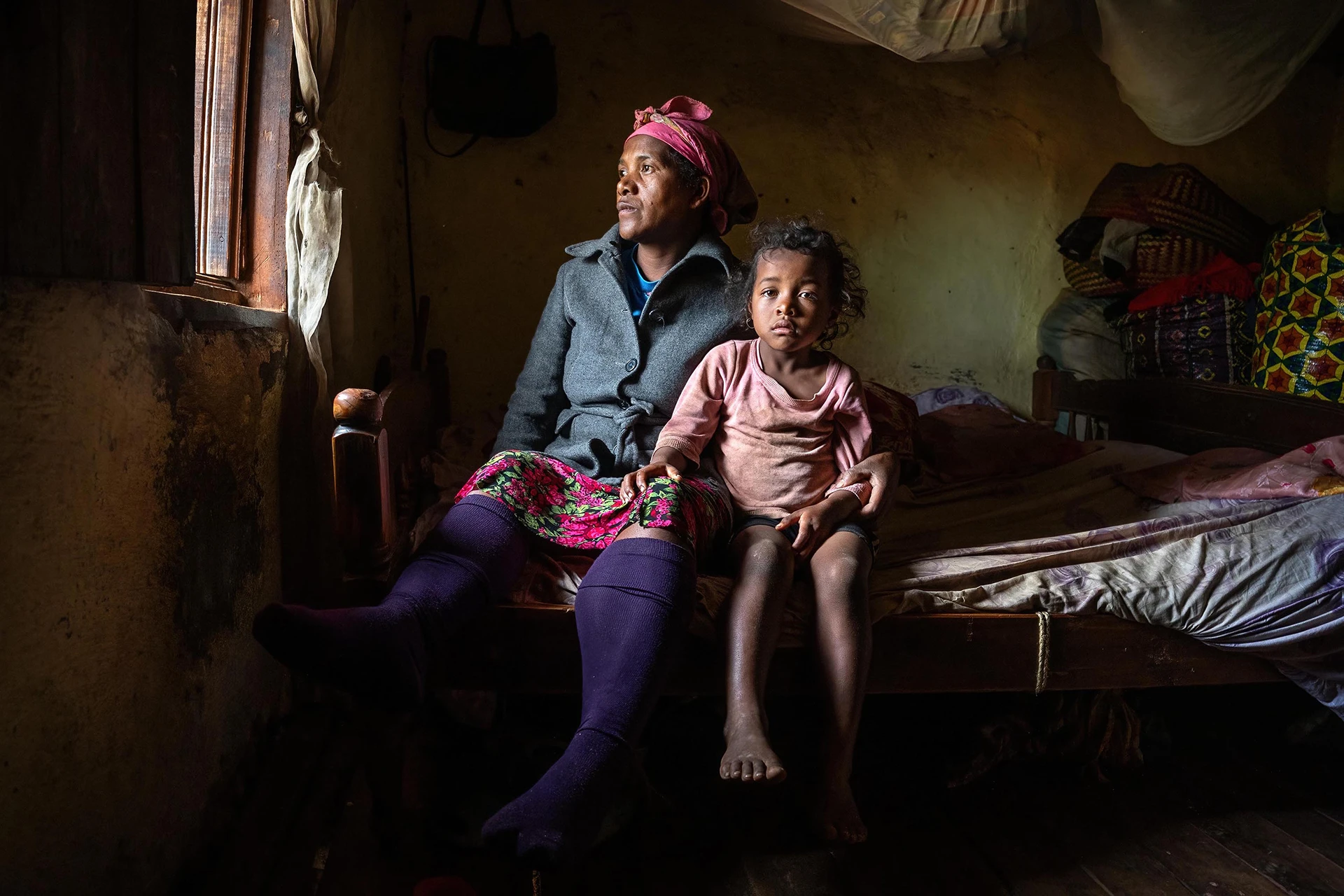
The most important element of my work is the relationship established before the photograph is created.
When I arrive in a new community, I do not immediately take out my camera. I first observe, listen, and try to understand the environment, social relationships, and rhythm of everyday life.
I spend time with people, share moments with them, ask questions, and allow trust to develop naturally. I am interested in their history, traditions, beliefs, relationship with nature, family structures, work, and rituals. This curiosity is a form of respect because it shows that I am there to learn, not simply to photograph.
Human connection is based on universal principles: curiosity, sincerity, and respect. Cultural differences may be profound, but these values are understood everywhere.
Trust cannot be requested. It must be earned through time and behaviour.
For this reason, I avoid creating relationships based on material exchanges that may produce immediate but superficial reactions. Instead, I prefer supporting communities by purchasing traditional products, crafts, and objects connected to their cultural identity.
A handmade object or traditional garment represents knowledge, creativity, and history. Supporting these forms of local production recognises the value of the community and creates an exchange based on dignity.
This philosophy reflects the principle expressed in the words attributed to Chief Seattle: “Take nothing but memories, leave nothing but footprints.” For me, this applies not only to the environment but also to human relationships. I want to leave behind respect, positive memories, and a genuine connection.
Sometimes building a relationship requires hours, sometimes days, and sometimes repeated visits over several years. Returning to the same communities allows deeper connections to develop. People become familiar faces rather than strangers, and photography becomes part of a longer human exchange.
A portrait is the result of a relationship between two people. It represents a moment created through patience, trust, and mutual understanding. The camera is only the instrument; the true foundation is the connection between the photographer and the person in front of the lens.
The Stories behind the Images
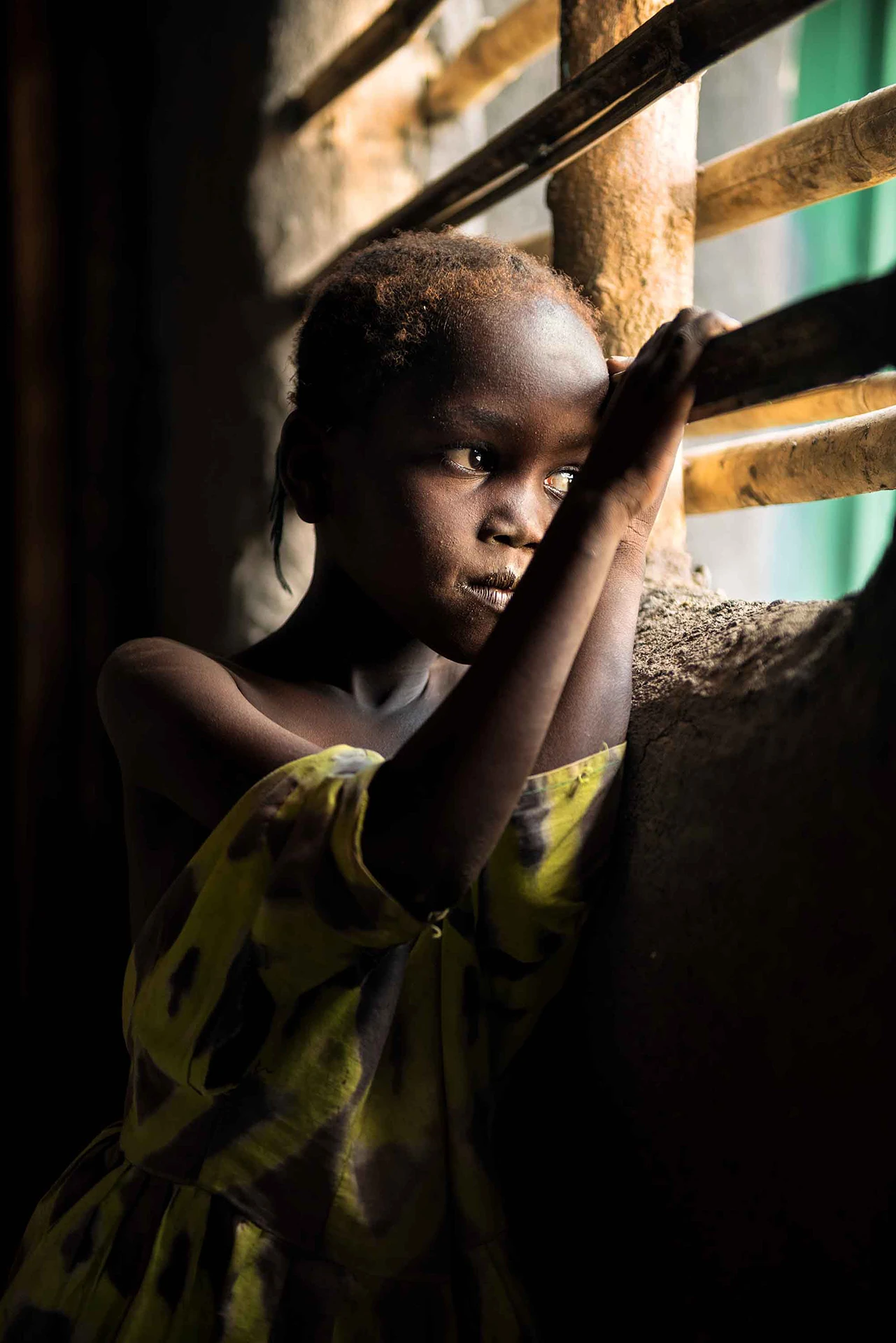
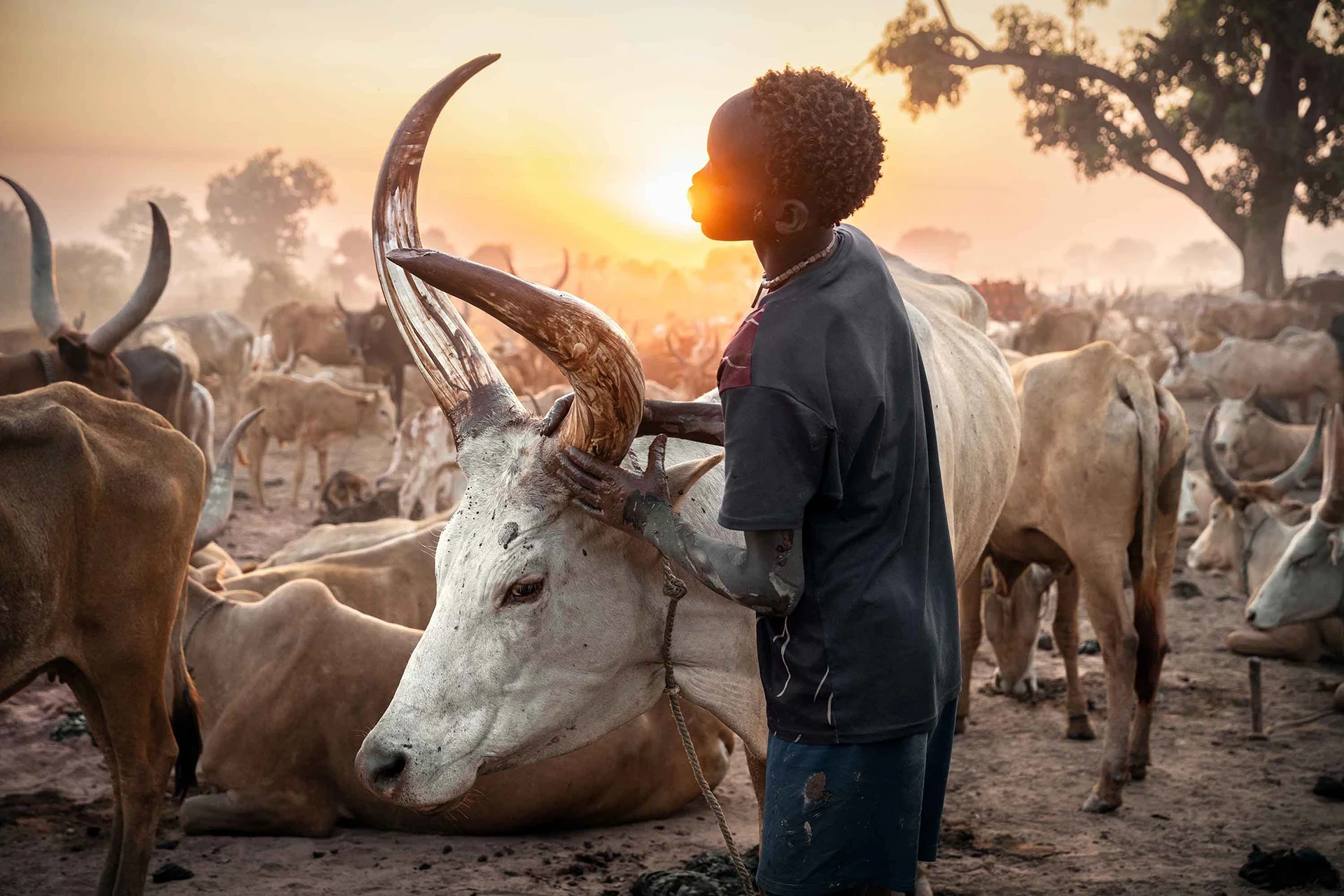
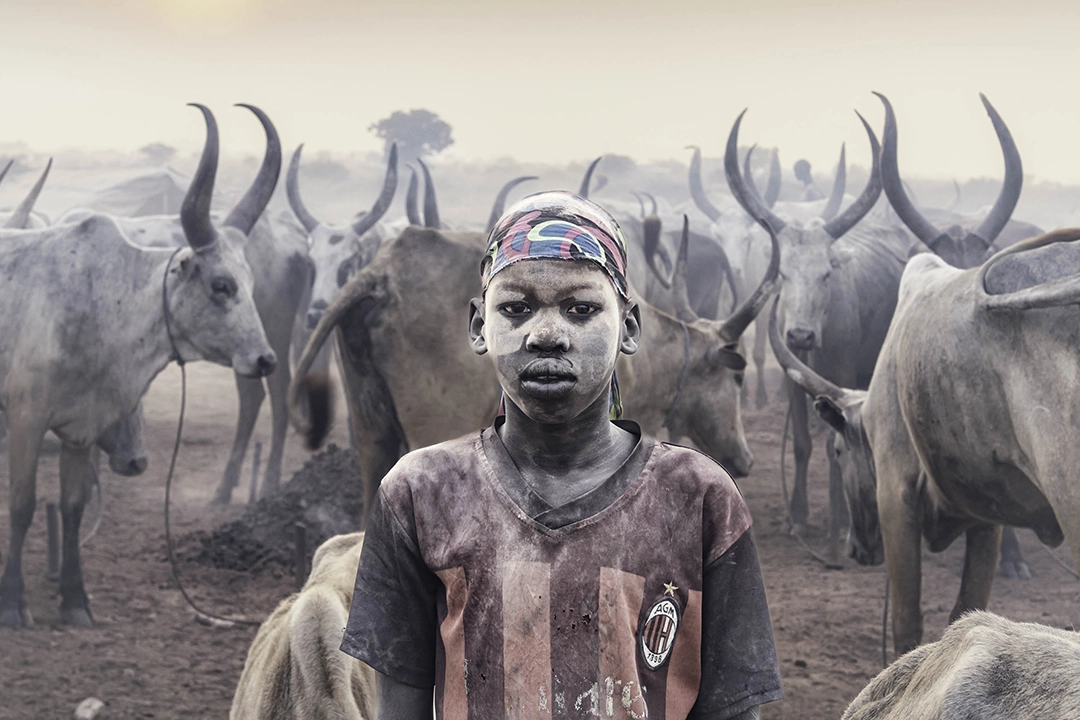
Among the many experiences that have shaped my work, my time with the Mundari people in South Sudan remains one of the most powerful.
The Mundari are cattle herders whose lives are deeply connected with their Ankole Watusi cattle. Their social structure, traditions, and daily activities revolve around this relationship. At sunrise and sunset, their camps become extraordinary environments of smoke, dust, light, and movement.
The photographs created in this environment are not only about visual beauty. They reveal a different relationship between humans, animals, and nature.
These encounters have shown me that communities with fewer material resources often preserve forms of connection, cooperation, and awareness that many modern societies have weakened. Their relationship with nature, their sense of community, and the importance given to generations offer valuable perspectives.
One of the most meaningful aspects of working in traditional communities is the possibility of creating authentic relationships. People are often not interested in what I can offer materially. Their first reaction is usually curiosity: they want to know who I am, where I come from, and why I travelled such a distance to meet them.
When curiosity exists on both sides, the encounter becomes a genuine exchange of experiences and perspectives.
I often ask people what they think about visitors entering their world, asking questions, and photographing their daily lives. Their answers are often similar: they appreciate that someone has travelled far to understand their culture and recognise the value of their traditions.
These moments confirm my belief that photography can become a space of dialogue, recognition, and shared humanity.
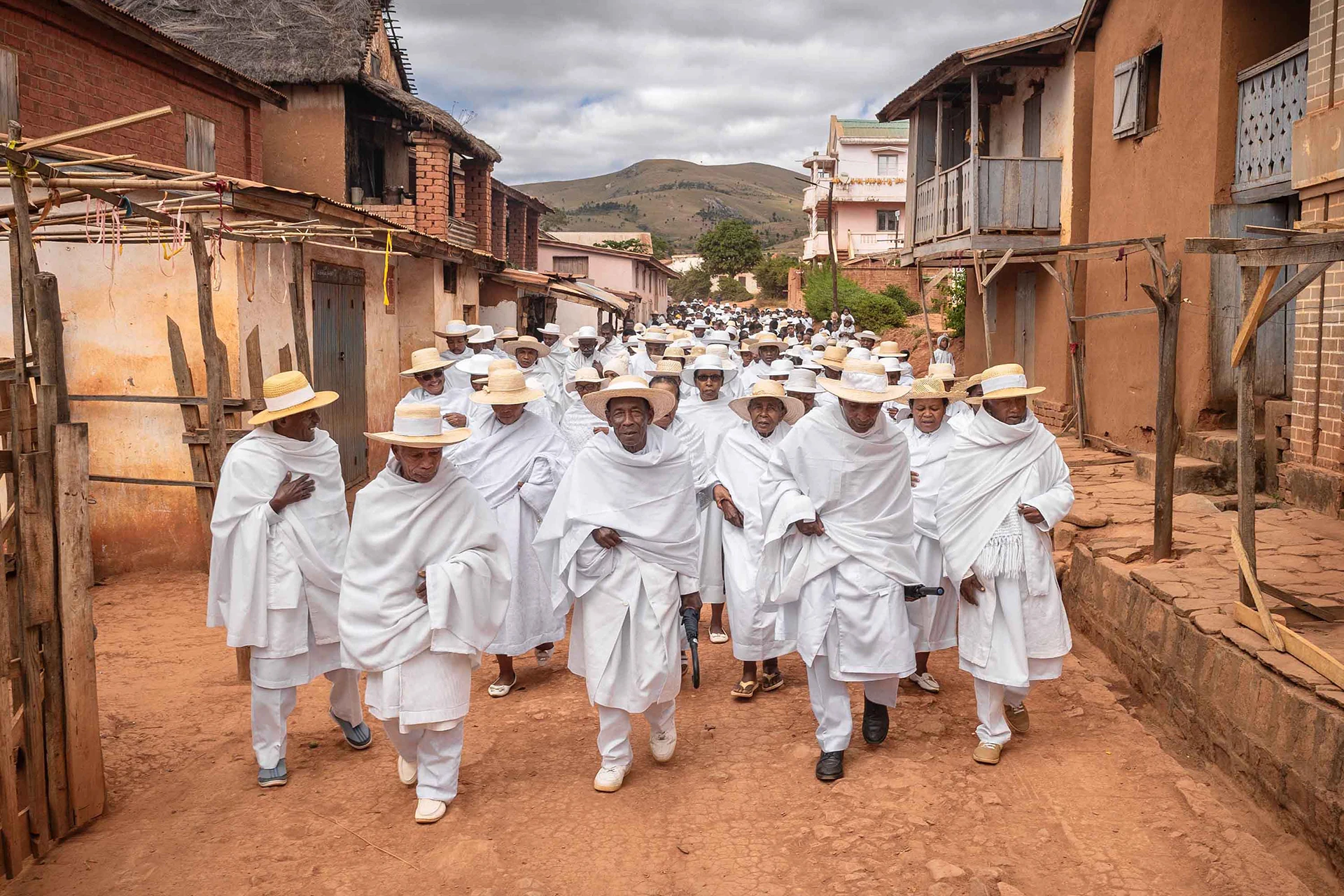
HUMANKIND: Preserving a Fragile Heritage
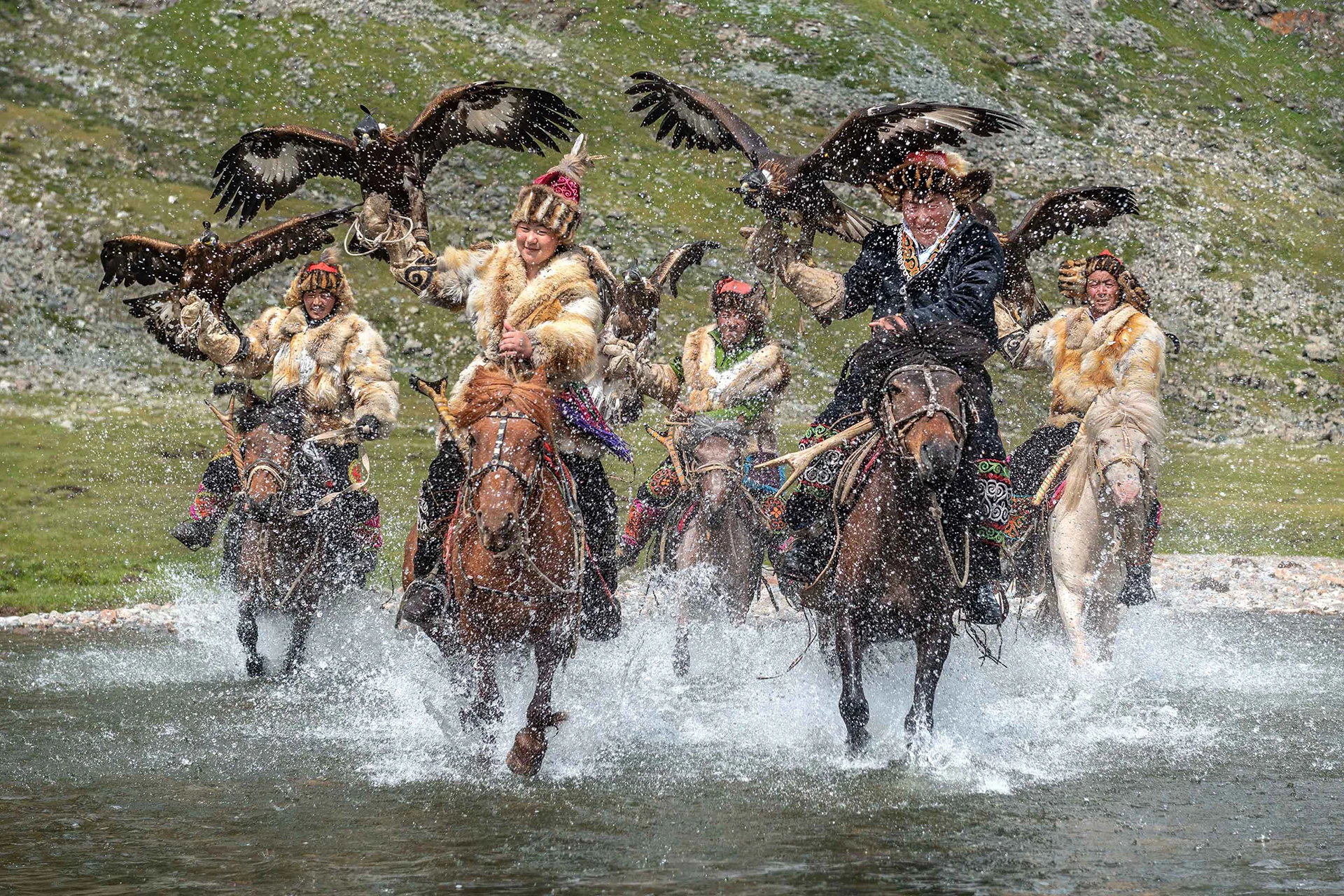
My long-term project HUMANKIND represents more than ten years of photographic exploration across three continents and more than twenty countries.
The project reflects the principles that have guided my work: approaching people with curiosity and respect, building relationships through trust, and creating images that preserve dignity and visibility.
The communities documented in HUMANKIND are not frozen in the past. They are living societies constantly adapting to change. Their traditions are active expressions of human experience and deserve recognition.
Photography contributes by creating visual memory. An image can become testimony of a historical moment and preserve awareness of the richness contained in human diversity.
Preservation begins with knowledge. Knowledge creates understanding, understanding creates respect, and respect creates the possibility of protection.
The book contains more than 200 images exploring cultures, rituals, traditions, and communities that represent the extraordinary variety of humanity. Its purpose is to encourage awareness and reflection, helping viewers look beyond differences and recognise the common humanity that connects us.
After many years travelling across continents, photography has taught me that humanity is incredibly diverse yet deeply connected. Every culture expresses life differently, but beneath these differences we share the same emotions, hopes, fears, aspirations, and desire to belong.
Every community and every individual story contributes to the larger story of humankind.
Beyond Technology and Technique
Photography today exists in a world of extraordinary visual abundance. Technology has made image creation accessible to almost everyone, while artificial intelligence is introducing new possibilities and new questions about authenticity.
Technology is a tool. Its value depends on the intention and responsibility behind its use.
In a world dominated by speed and constant visual consumption, meaningful photography will increasingly depend on what technology cannot replace: curiosity, emotional depth, human relationships, and purpose.
A powerful photograph is created through understanding, patience, observation, and connection. The most important tools of a photographer are the ability to look, listen, feel, and engage with the world.
For those entering documentary photography, the priority should not be equipment but the development of curiosity, sensitivity, empathy, and a personal vision.
The image must remain connected to a real person, a real experience, and a real story. Authenticity is essential in a time when images can easily be manipulated and separated from reality.
Aesthetics are important because they strengthen communication, but they should serve meaning rather than replace it.
A personal photographic voice develops slowly through experience, mistakes, dedication, and exploration. It cannot be created artificially or borrowed from trends.
I believe strongly in long-term projects because they allow photographers to move beyond superficial observation and develop a deeper understanding of their subjects. The strongest stories grow through time, commitment, repeated encounters, and genuine immersion.
Photography is ultimately an act of attention. It is a way of looking at the world, understanding others, and preserving the fragile memories of our shared humanity.
Share this Story
Explore More...
The Poetry of Dust and Horn
Gabi Steiner
“A journey into the lives, traditions, and resilience of South Sudan's cattle keepers…” Read more →
The Body as a Family Archive
Cecilia Gioria
“An intimate visual essay exploring the stories our bodies quietly inherit…” Read more →

A photography journal. Published monthly.
E-mail: info@curated.photo
All Rights Reserved. CuratedPhoto @2026